DIY Sandbox With Roof Plans (Easy Covered Sandbox for Kids + Budget-Friendly Backyard Build)
Learn how to build a DIY sandbox with roof using simple lumber and beginner-friendly plans. This covered sandbox keeps kids shaded while adding a charming backyard play space.
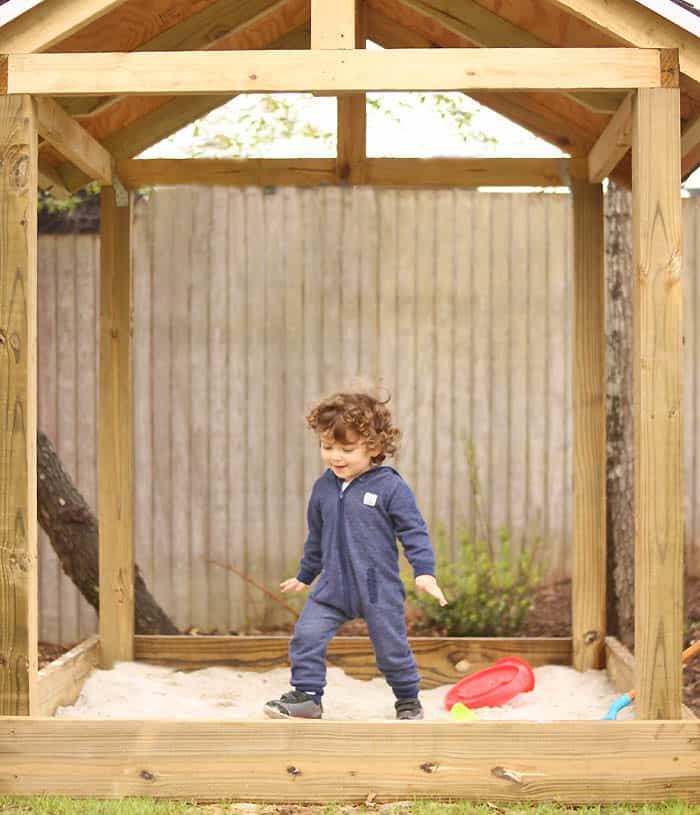
Looking for an easy backyard project that your kids will actually use every single day? This DIY sandbox with roof is one of the best outdoor projects for families. It’s simple to build, budget-friendly, and provides hours of creative outdoor play.
The attached roof helps create shade during hot summer afternoons while also giving the sandbox a charming cottage-style look that blends beautifully into your backyard. Whether you’re building a play area for toddlers or young kids, this covered sandbox is sturdy, practical, and surprisingly beginner-friendly.
One of the best things about this project is that it can be customized to fit your space. You can stain or paint the wood, add built-in benches, or even include storage for sand toys nearby. The roof also helps keep the sand cleaner by reducing leaves, debris, and direct sun exposure.
If you love simple outdoor DIY projects, you may also enjoy these ideas on Gina Michele like a DIY outdoor chalkboard, cedar planter boxes, or backyard kids’ projects that make outdoor spaces feel more inviting.
Why Build a Sandbox With a Roof?
A traditional sandbox is fun, but adding a roof makes a huge difference. Not only does it provide shade, but it also helps protect the sand from rain and falling debris.
Benefits of a covered sandbox include:
Keeps kids cooler during summer play
Helps reduce direct UV exposure
Keeps sand cleaner longer
Adds visual charm to your backyard
Creates a more finished, custom look
Helps define a dedicated play area
If you live in a sunny area or spend lots of time outdoors during warmer months, a roof can make your sandbox much more comfortable for kids.
Looking for free knitting patterns? Browse this full collection of easy knitting patterns you can start today:
50 Free Knitting Patterns You’ll Actually Want to Make (Beginner-Friendly)
10 Easy Baby Knitting Patterns for Beginners
10 Quick Summer Knitting Patterns
15 Easiest Free Knitting Patterns
15 Easy Summer Knitting Patterns You Can Make This Weekend
10 Easy Baby Knitting Patterns That Look Impressive (But Are Actually Beginner-Friendly)
DIY Sandbox With Roof Plans (Easy Covered Sandbox for Kids + Budget-Friendly Backyard Build)
(As an Amazon Associate, I earn from qualifying purchases)
Materials needed for Sandbox with Roof DIY:
Lumber:
(I used pressure-treated, but you can also use cedar or pine)
2×8- 2 10 foot
2×4- 2, 12 foot
2×4- 4, 10 foot
4, 6 foot posts
4 inch exterior screws
Tools:
Drill
Miter saw or circular saw
Table saw
Step by Step Instructions
Choosing the Best Location
Where you place your sandbox matters more than you might think.
Look for a location that:
Has relatively level ground
Offers some natural shade
Has good drainage
Is visible from the house
Allows enough room around the sandbox for movement and play
Avoid low spots in the yard where water tends to collect after rainstorms.
If possible, place the sandbox near a patio or outdoor seating area so adults can comfortably supervise while kids play.
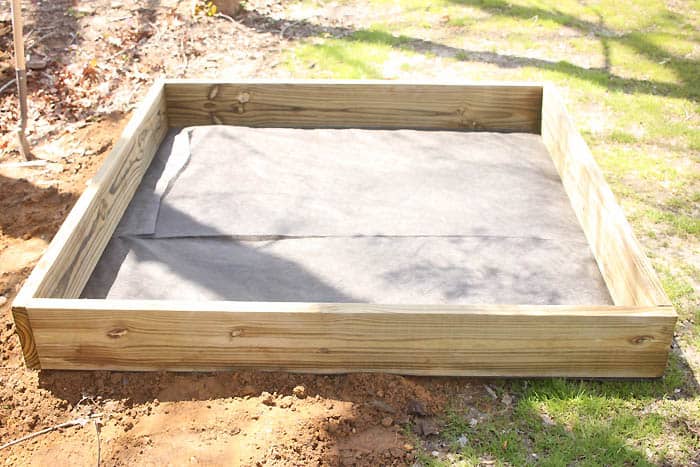
Cut the 2×8 boards into 4 sections measuring 5 feet long. Screw together at the sides. (Optional- staple landscape fabric to the bottom. This sand from seeping out and weeds from coming up)
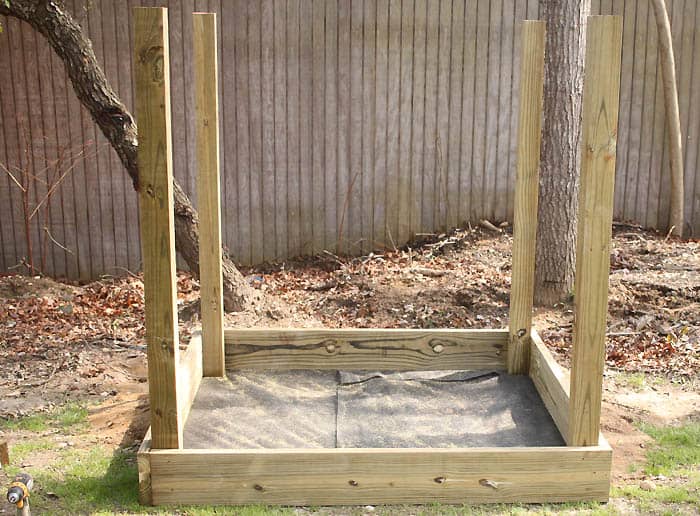
Next step is the framing. Drill the 4 posts in on both sides to anchor the sandbox frame.
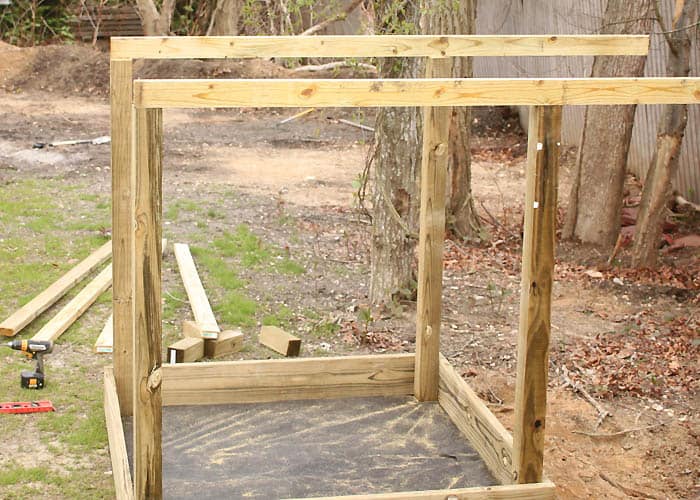
Place the 2×4 on top of the posts to see how much to cut off. Make a mark where it hits the end of the posts and cut off excess. Repeat on the other side.

Measure and cut the 2x4s to fit the front and back of the square. Screw together.
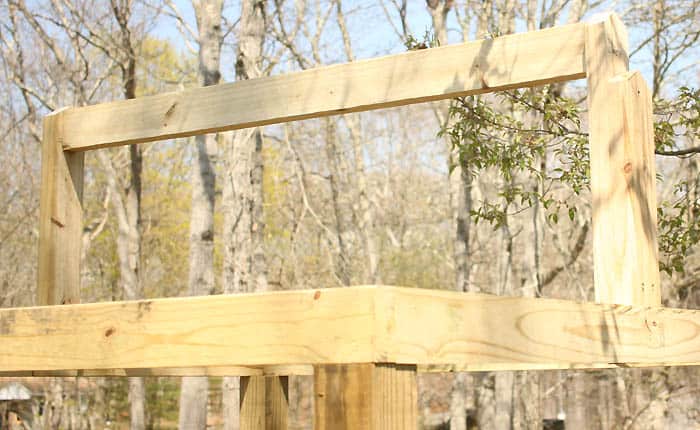
Mark center of front board. Cut a 2×4 to measure 23 1/2 inches. Screw into the board from the back. Repeat on the opposite side. Measure a 2×4 and cut to fit in between. Screw in place.
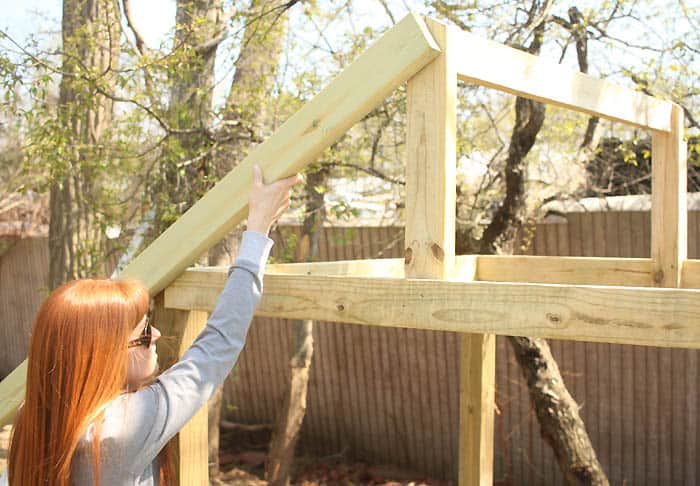
Mark the middle of the 23 1/2 inch 2×4. Cut a 2×4 48 inches long to make the first rafter.
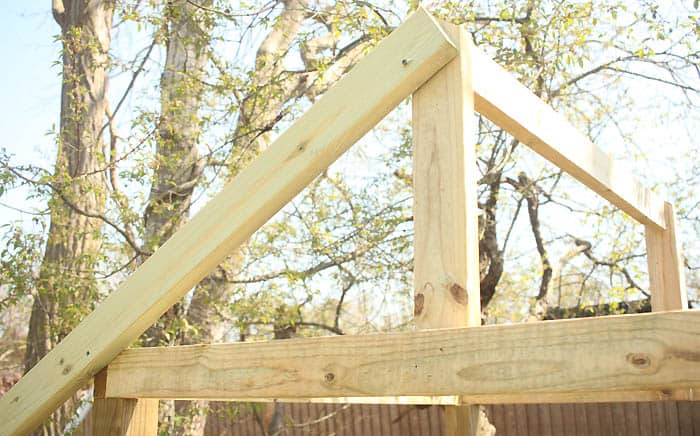
Tack the rafter in place by screwing it at the top and side.
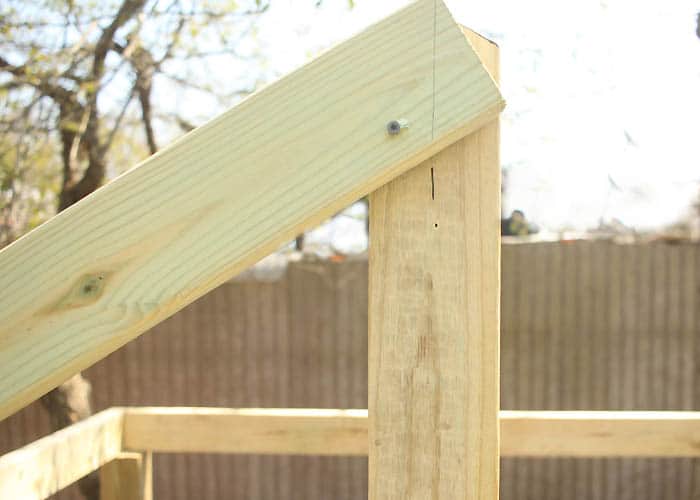
Mark the rafter down the middle.
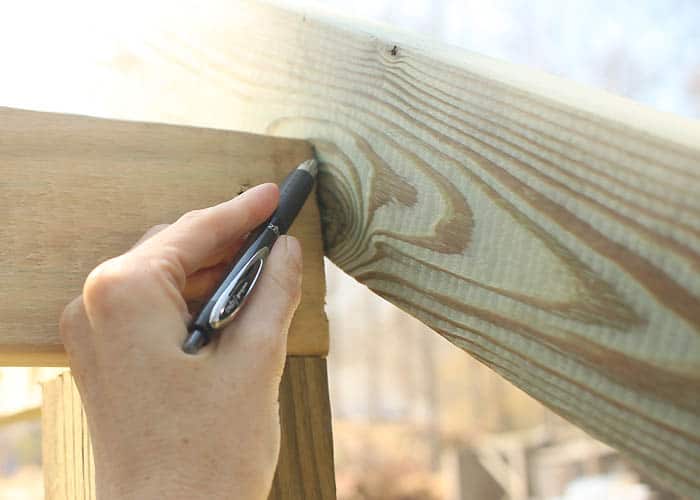
Mark a line on the inside corner so you know where to cut. Unscrew the tack screws. Cut the rafter (including the mark you made down the middle) and using the first one as a template, cut 5 additional rafters.
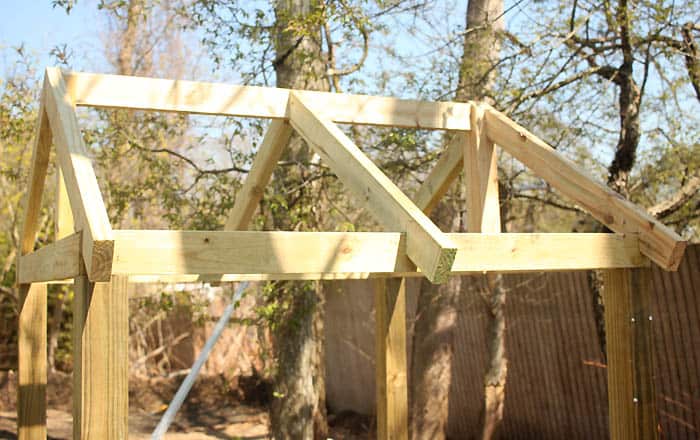
Place the rafters at the front, back and the exact middle of the roof.
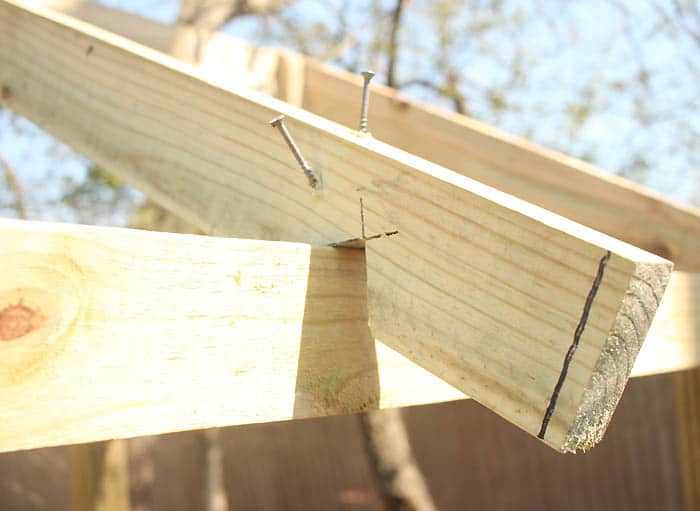
The middle ones will be slightly too long (see how the cut edge isn’t touching the board?) Measure how big the gap is and then cut that amount off the top of the board. Repeat on the other side.
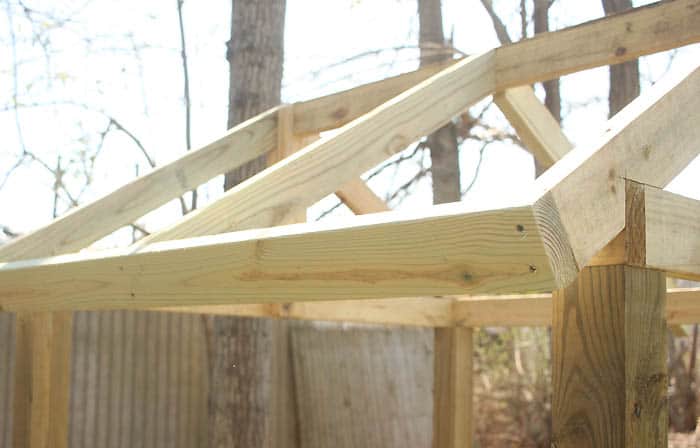
Measure from one end of the rafters to the other. Cut a 2×4 to the measurement and screw it to the bottom of the rafters.
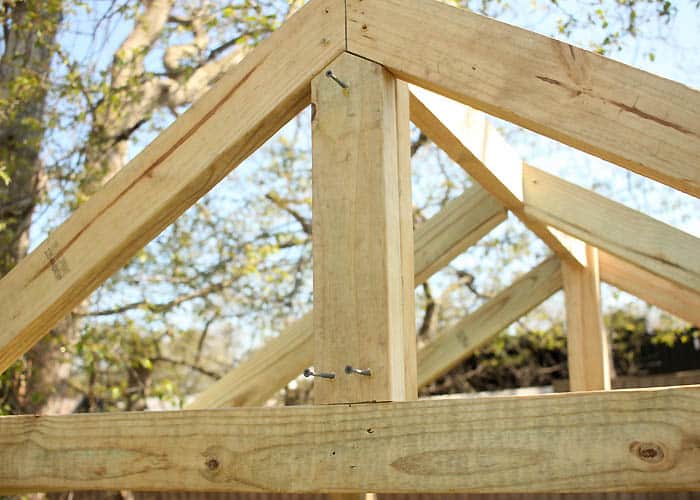
Cut an additional 2×4 to fit inside and screw down. Repeat on the other side.
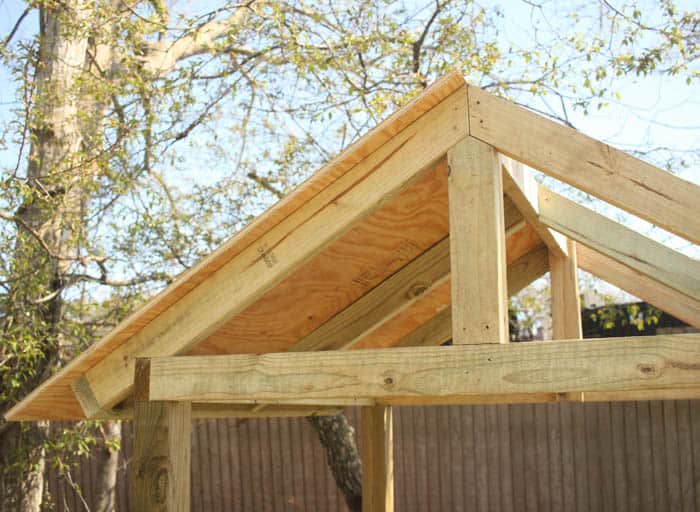
Cut the plywood to size- we left a 2 inch overhang on both sides. Repeat on the other side.
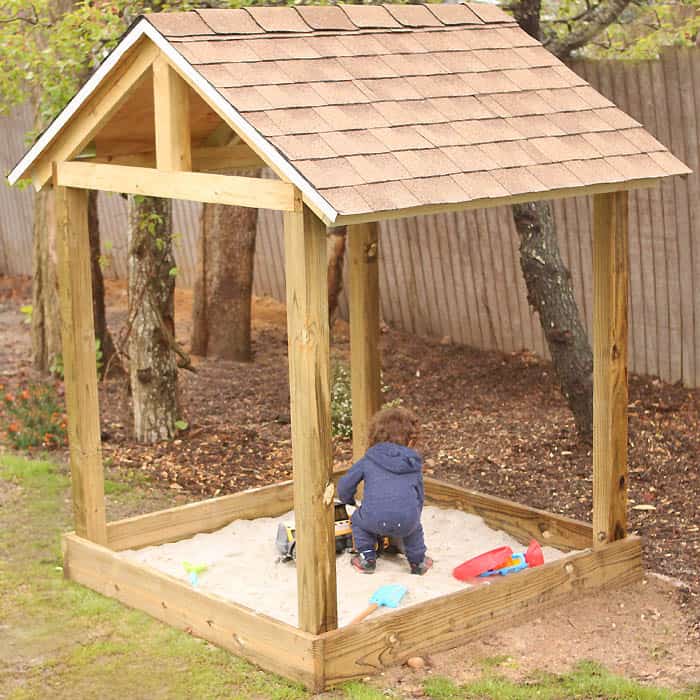
Step 6: Fill With Sand
Once everything is assembled, add play sand.
Use only sandbox-safe play sand designed specifically for children’s play areas.
The amount of sand needed depends on the size and depth of your sandbox, but most medium-sized sandboxes require multiple bags.
Avoid overfilling. Kids naturally move sand around, and leaving some extra room helps prevent constant spills over the sides.
Looking for more DIY projects like this backyard sandbox?
Easy DIY Climbing Wall for a Treehouse
DIY Outdoor Chalkboard- Weatherproof and Durable!
How to Shingle a Playhouse or Shed Roof
How to Build a DIY Cornhole Board (Easy Backyard Game You Can Make in a Weekend)
DIY Cedar Window Boxes: Easy Custom Planters That Make Your House Look Instantly Prettier
DIY Trellis (Easy, Budget-Friendly Garden Upgrade That Looks Expensive)
15 Easy Outdoor DIY Projects That Will Transform Your Backyard This Weekend
Rust-Oleum Outdoor Fabric Paint Review (Does It Actually Work?)
How to Build an Easy Kayak Rack (Cheap DIY That Holds Multiple Kayaks)
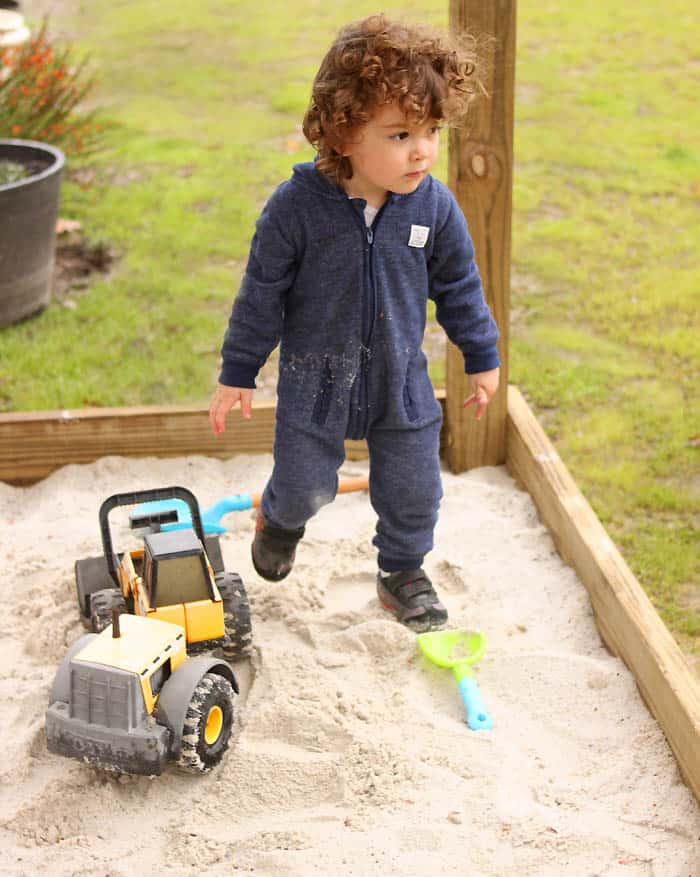
Tips for Keeping a Sandbox Clean
A clean sandbox lasts longer and creates a safer play environment.
Here are a few simple maintenance tips:
Use a Cover
Even with a roof, using a removable cover when not in use helps keep out leaves, rain, and animals.
Rake the Sand Regularly
A small rake helps break up compacted sand and remove debris quickly.
Replace Sand Periodically
Over time, sand naturally becomes dirty or compacted. Replacing some of it each season helps keep the sandbox fresh.
Store Toys Nearby
Outdoor bins or baskets help keep sand toys organized and prevent clutter throughout the yard.
DIY Sandbox Design Ideas
One of the best things about building your own sandbox is the ability to customize it.
Here are a few fun ideas:
Coastal Style Sandbox
Use white paint, striped fabric, and natural wood tones for a beach-inspired look.
Modern Backyard Sandbox
Choose black hardware, gray stain, and sleek lines for a modern aesthetic.
Cottage Garden Sandbox
Add flower boxes around the edges and soft painted details for a charming cottage-style play space.
Built-In Seating
Extra-wide edges provide built-in seating for both kids and adults.
Safety Tips for Backyard Sandboxes
Whenever building outdoor projects for children, safety should always come first.
Choose Child-Safe Materials
Avoid treated materials that are not intended for children’s use.
Check for Splinters
Sand rough wood edges thoroughly.
Keep Drainage in Mind
Standing water can create mold or mildew issues over time.
Use Proper Roofing Materials
Make sure the roof is securely attached and able to withstand outdoor conditions.
Best Sand Toys for a Backyard Sandbox
A few simple toys can turn a sandbox into hours of entertainment.
Popular options include:
Buckets and shovels
Toy trucks
Sand molds
Watering cans
Toy animals
Mini construction vehicles
Rotating toys occasionally can make the sandbox feel exciting and new again.
Looking for More DIY and Craft Projects?
If you’re updating your backyard, consider pairing this sandbox with other DIY outdoor projects.
You may also enjoy:
How to Build a Beginner Bird House
How to Paint Patio Cushions
How to Build an Easy Stone Grill Surround
Easy DIY Fire Pit with Landscape Blocks (Step-by-Step Guide for a Cozy Backyard)
How to Build Tall Outdoor Planters
Easy Raised Vegetable Garden with Pea Gravel (Simple DIY for a Clean, Modern Backyard)
DIY Privacy Screen Planter That Actually Works (Full Backyard Privacy on a Budget)
Common DIY Sandbox Mistakes to Avoid
Skipping Drainage
Without drainage, rainwater can collect underneath the sandbox and create messy conditions.
Using the Wrong Sand
Always use play sand specifically designed for children.
Building Too Small
Kids quickly outgrow tiny sandboxes. Slightly larger dimensions provide more long-term use.
Forgetting Shade
Direct summer sun can make sand extremely hot. A roof helps dramatically.
Using Interior Materials Outdoors
Only use exterior-rated screws, paint, and finishes for outdoor durability.
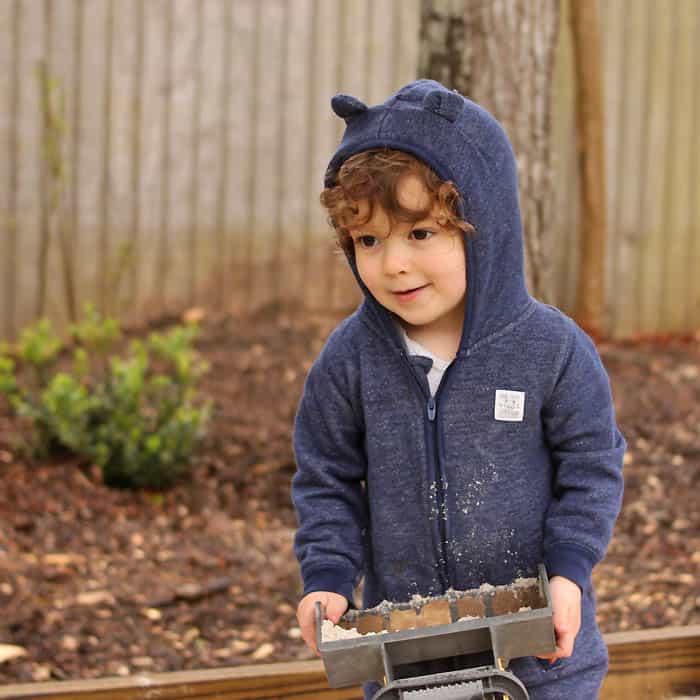
How Long Does a DIY Sandbox Last?
With proper materials and maintenance, a DIY sandbox can last for many years.
Pressure-treated wood, weatherproof finishes, and seasonal maintenance all help extend the life of the project.
Replacing the roof fabric occasionally and refreshing the sand yearly helps keep everything looking fresh and clean.
FAQ about DIY Sandbox with Roof
What is the best wood for a DIY sandbox?
Pressure-treated lumber designed for outdoor projects is typically the best option because it resists moisture, insects, and rot. Cedar is another great choice because it naturally resists decay while offering a beautiful appearance. If using pressure-treated wood, always make sure it is approved for family outdoor projects and sand all surfaces thoroughly before use.
How much sand do I need for a sandbox?
The amount depends on the overall dimensions and depth of your sandbox. Most backyard sandboxes require several bags of play sand to achieve a comfortable digging depth. It’s usually best to fill the sandbox about two-thirds full so kids have room to dig and move sand around without constantly spilling over the edges.
Can I build a sandbox on grass?
Yes, but removing the grass first helps create a more level and stable foundation. Adding landscape fabric and gravel underneath also improves drainage and helps prevent weeds from growing through the sand over time.
What type of roof works best for a sandbox?
A slanted roof with outdoor fabric or corrugated panels works especially well for backyard sandboxes. Fabric creates a softer decorative look while panels offer better rain protection and durability.
How do I keep bugs and animals out of my sandbox?
Using a fitted cover when the sandbox is not in use helps keep out animals, insects, leaves, and debris. Regularly raking the sand and keeping the area clean also helps discourage pests.
This DIY sandbox with roof is one of those backyard projects that combines function, creativity, and lasting memories. It creates a dedicated outdoor play area while adding charm and character to your yard.
The covered design helps keep kids comfortable during summer play, and the simple construction makes this project approachable even for beginner DIYers.
Whether you stain it for a rustic backyard look or paint it to match your outdoor decor, this sandbox is a fun project that kids will enjoy for years.
✨ I’d love to see what you’re making! ✨
If you’ve tried one of my knitting patterns, crochet projects, DIYs, or recipes, share your finished project on Instagram and tag me so I can see it 💛
There’s nothing better than seeing your creations come to life—from cozy knits to delicious recipes and everything in between. It truly makes my day!
Tag me @ginamicheleny so I can share your work and cheer you on!
Happy making!