How to Make a Sewing Pattern out of Existing Shorts
Learn how to make a sewing pattern out of existing shorts with this easy step-by-step guide. Perfect for beginners and DIY sewing projects.
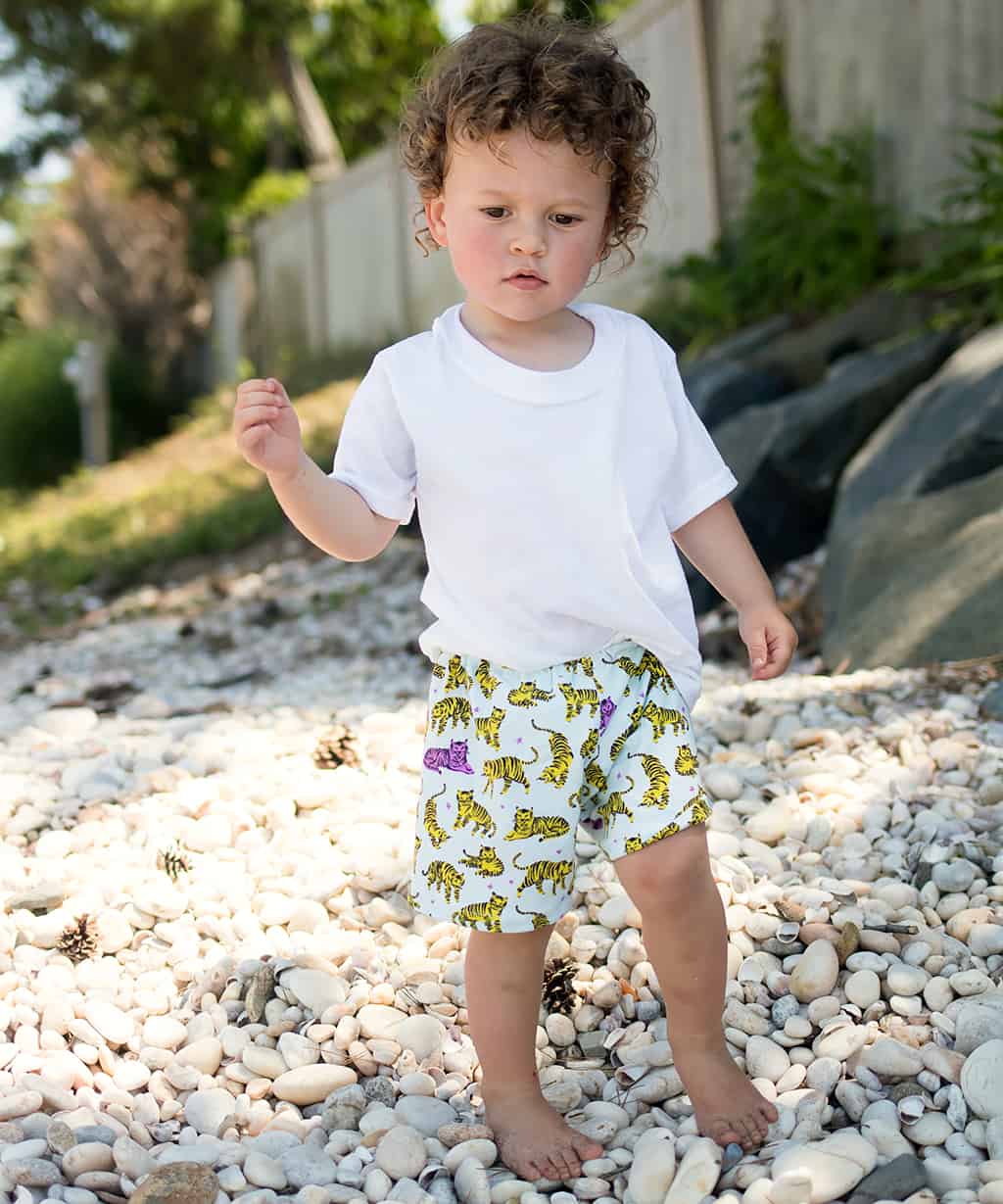
If you have a favorite pair of shorts that fit perfectly, you don’t need to search endlessly for a similar sewing pattern—you can make your own. Learning how to make a sewing pattern out of existing shorts is one of the most useful skills for any DIY sewist. It allows you to recreate garments you already love while customizing fabric, length, and details to suit your style.
This beginner-friendly tutorial will walk you through exactly how to copy shorts without taking them apart, so you can create a reusable sewing pattern at home.
Whether you’re sewing for yourself or your kids, this method is simple, practical, and incredibly rewarding.
Looking for more free sewing patterns and tutorials?
Why Make a Pattern From Existing Shorts?
Before diving into the steps, it’s helpful to understand why this method is so popular.
Creating a sewing pattern from ready-made clothing allows you to:
- Recreate your favorite fit over and over again
- Customize fabrics and colors
- Adjust length, rise, or waistband style
- Save money on store-bought patterns
- Build a library of custom-fit patterns
Instead of guessing sizing or fit, you’re starting with something you already know works.
How to Make a Sewing Pattern out of Existing Shorts
Materials:
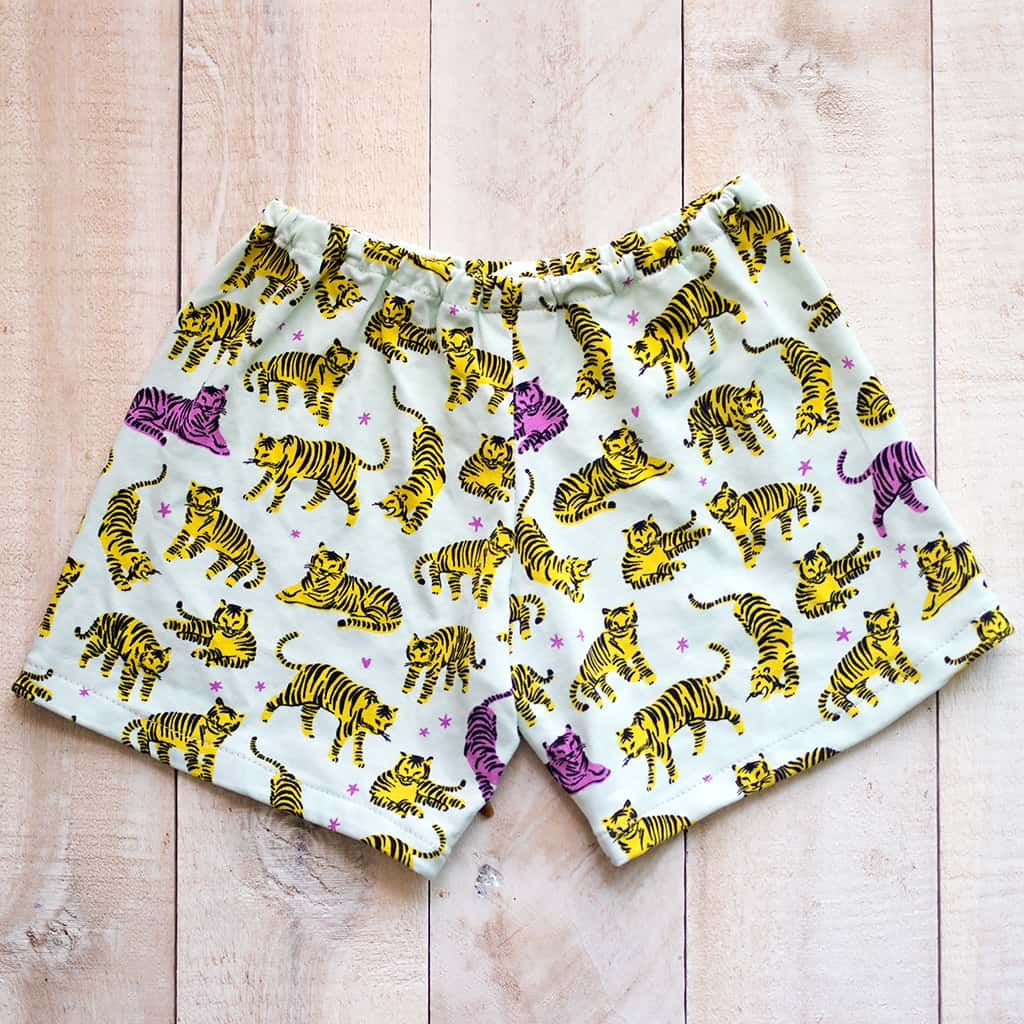
Stretch jersey shorts with elastic waist
Choose the Right Shorts
Start with a pair of shorts that:
- Fit comfortably
- Are not stretched out
- Have a simple construction (elastic waist is easiest)
Elastic-waist shorts are ideal for beginners because they’re easier to trace and sew later.
Cotton jersey fabric (I used this cotton jersey)
1/2 inch braided elastic
How to create the shorts:
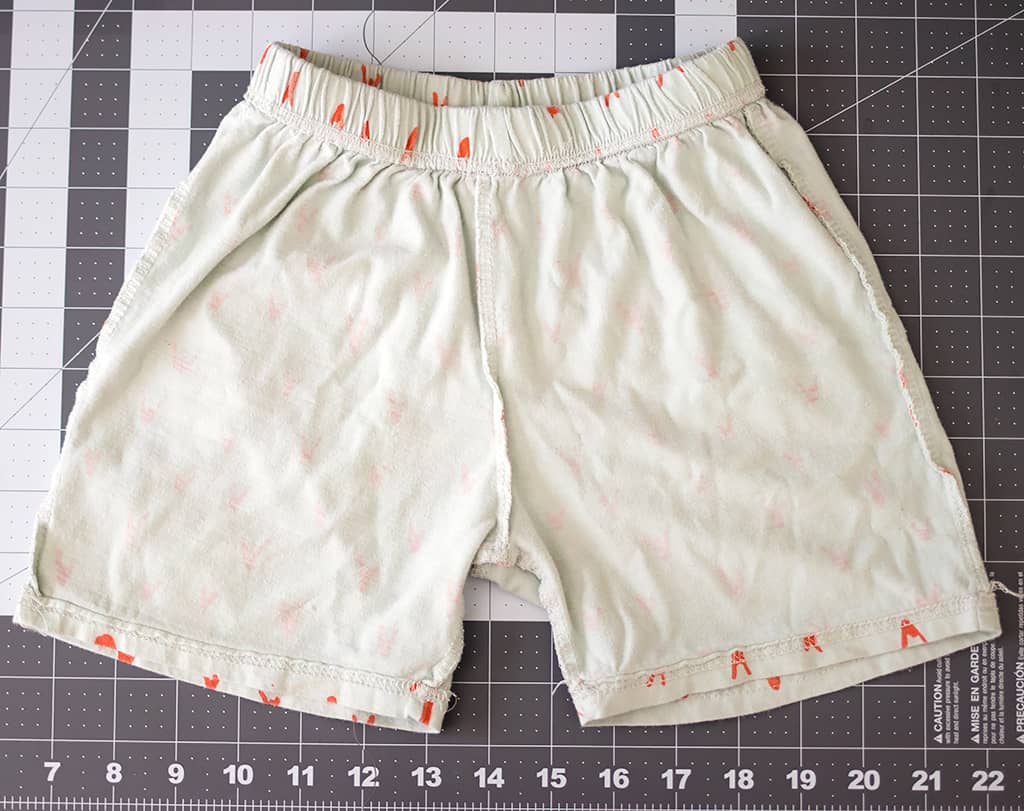
Turn the shorts inside out. The best style of shorts to use is a pair that is loose fitting and in a similar weight fabric.
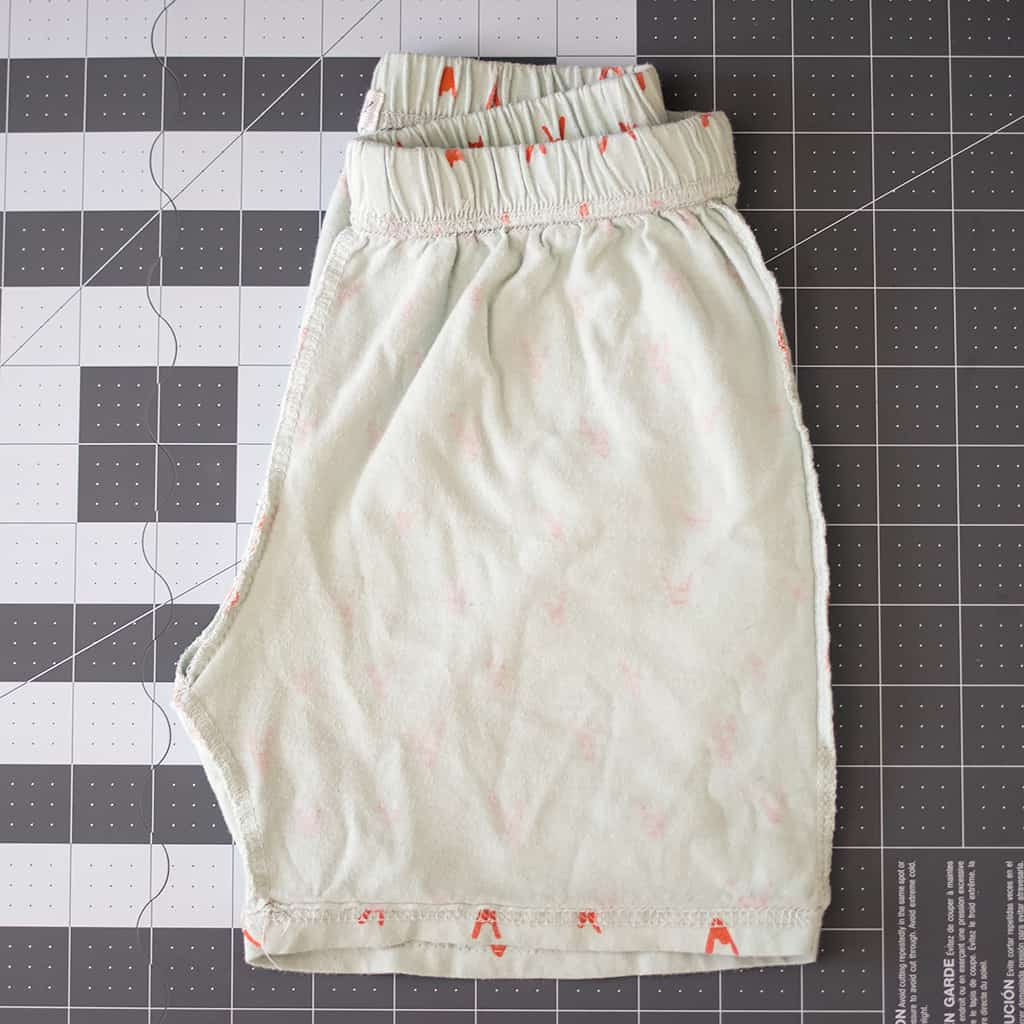
Fold one of the legs inside the other.
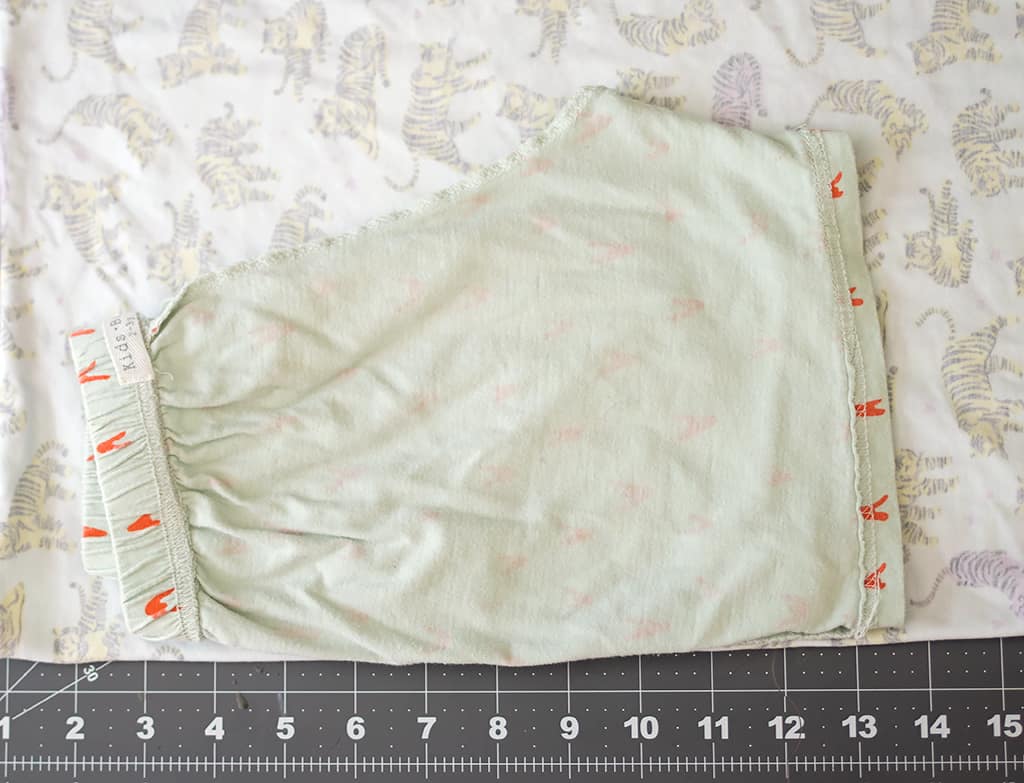
You can either trace the pattern directly onto the fabric you are using or you can use butcher paper if you plan on sewing multiple pairs of shorts.
Fold the fabric over widthwise. Place the outside leg of the shorts on the fold.
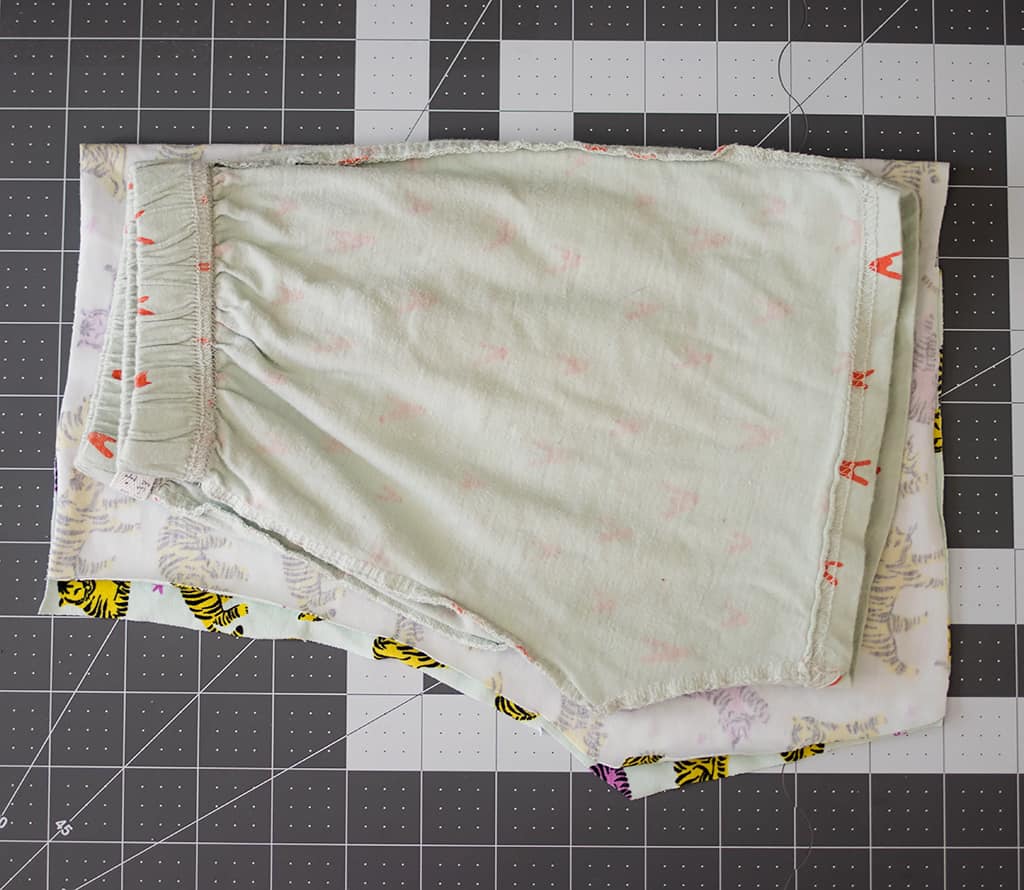
Using a ruler, cut out the pattern piece leaving an ½ inch edge around the leg and back/front center.
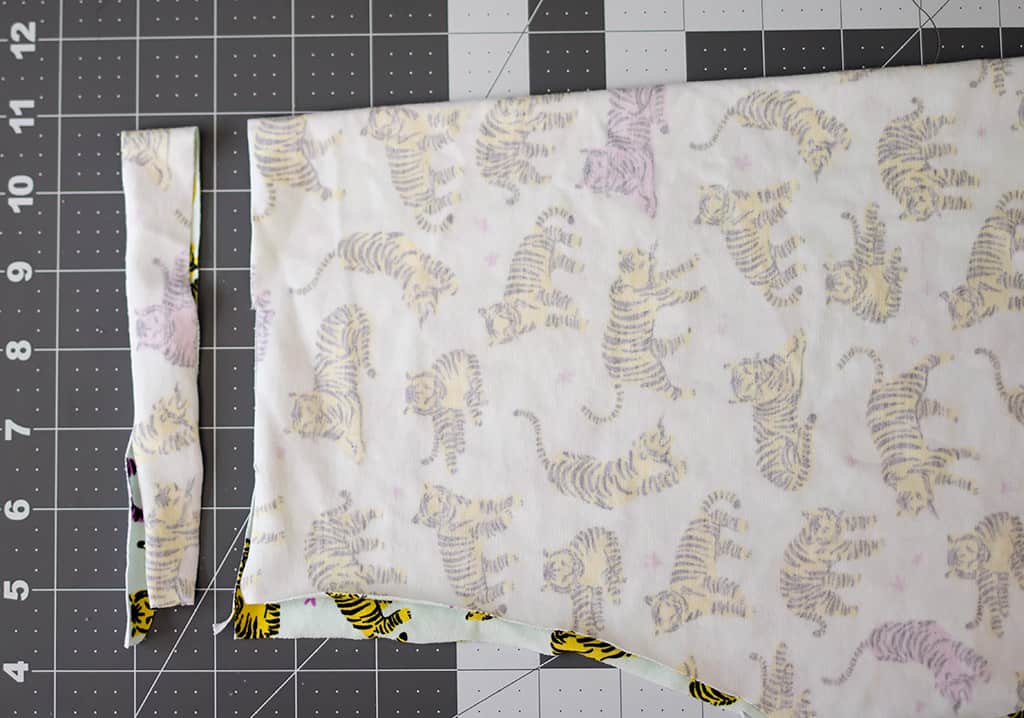
Trim 1/4 inch off the top of one of the pieces. This will be the front of the shorts.
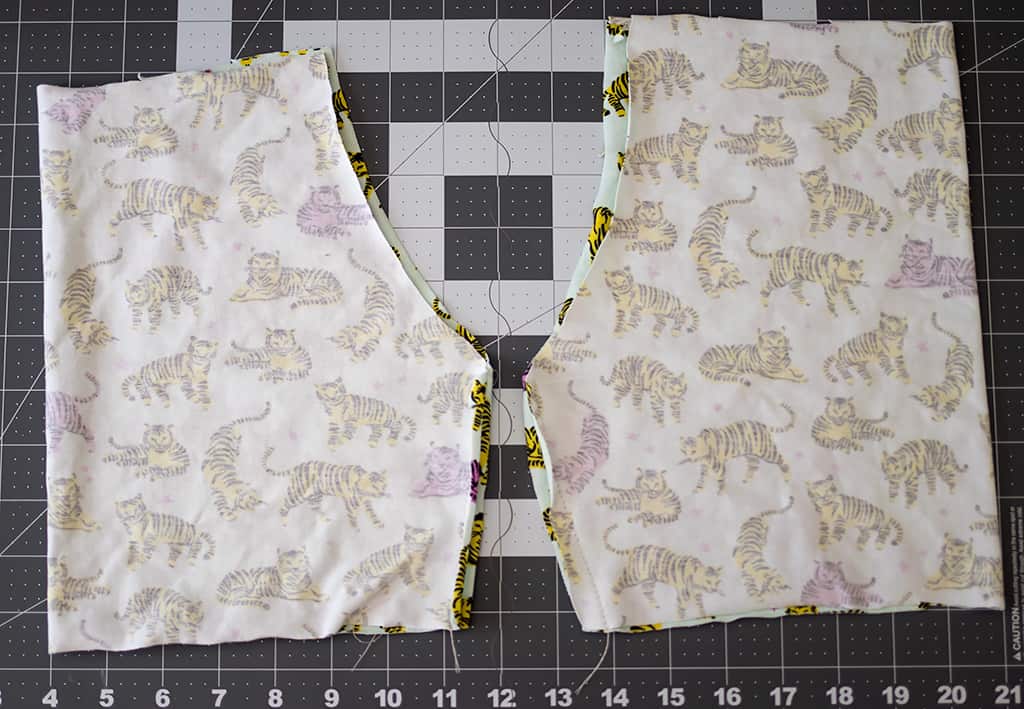
Sew the inside leg seams.
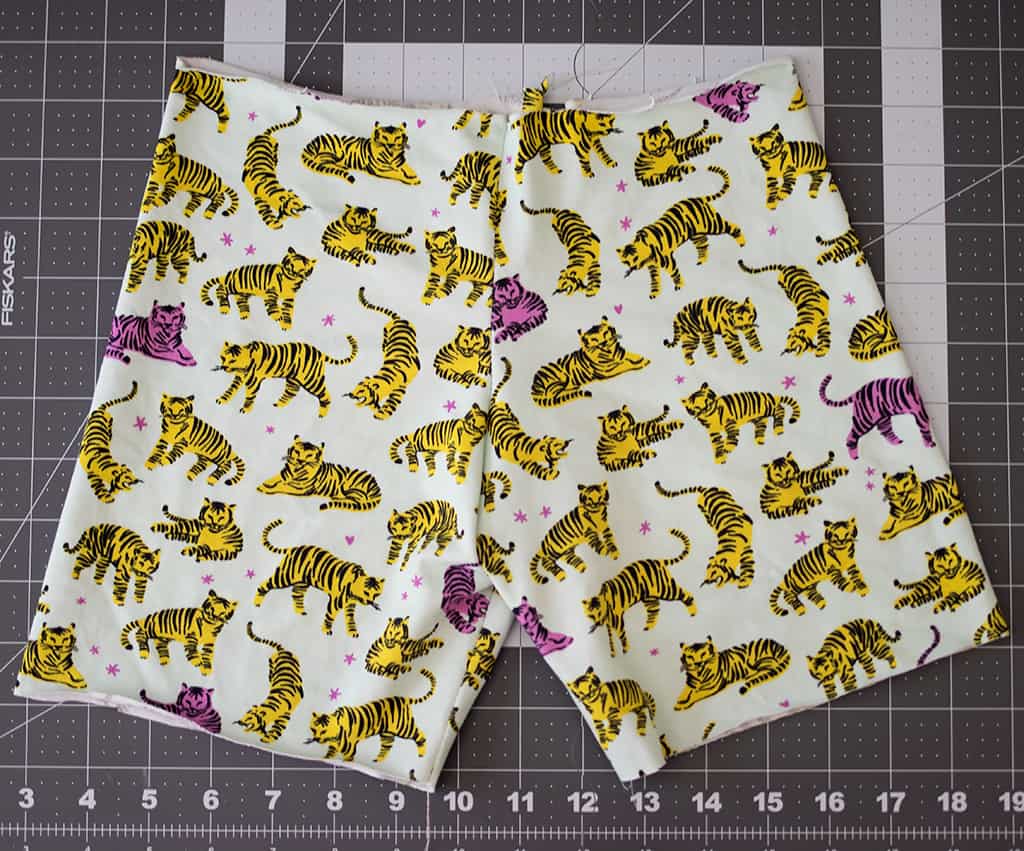
Sew the front and back of the middle seam. Turn the shorts right side out.
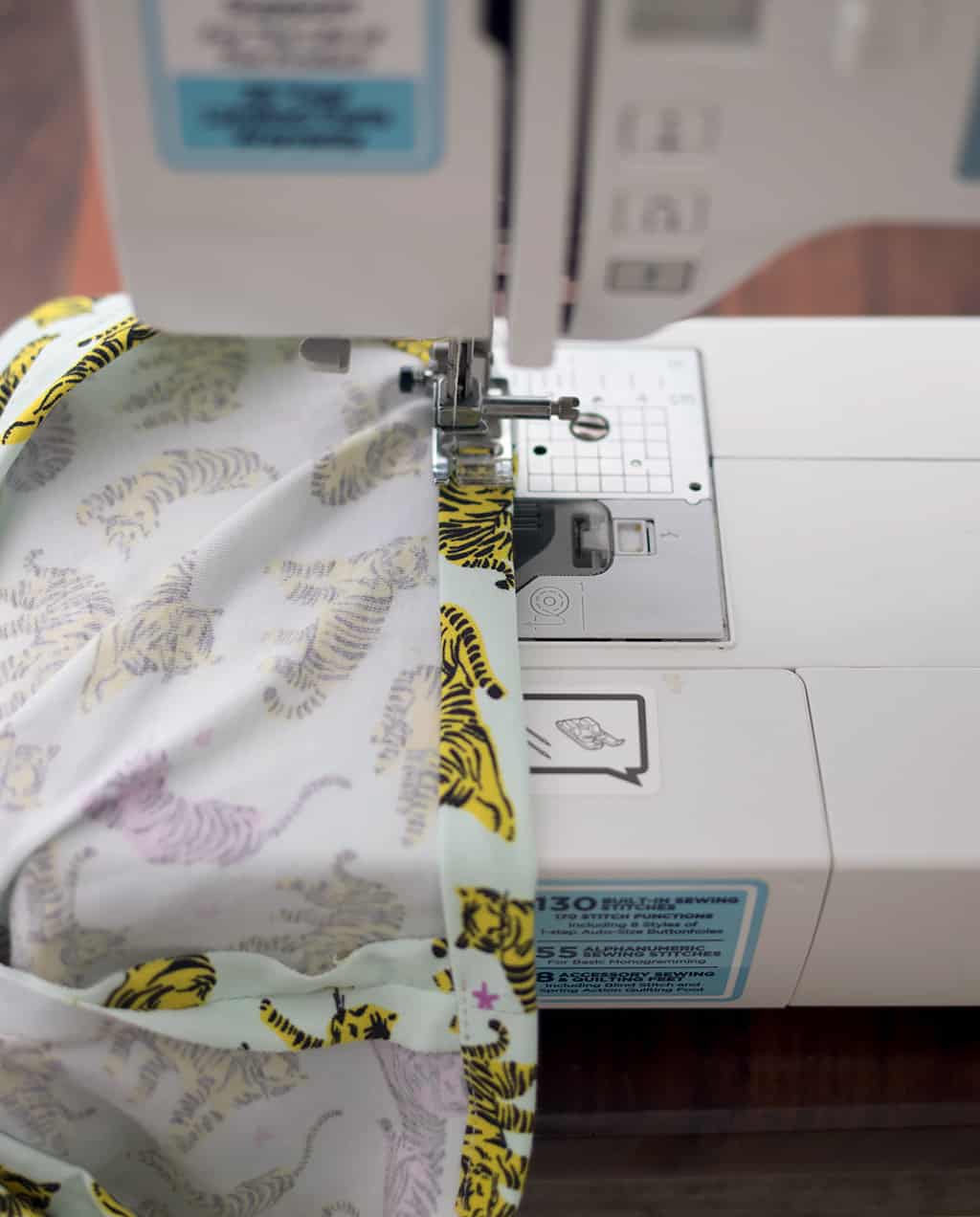
Using an iron, press down the hem on each leg 1/4 inch. Fold it over and press down again. Stitch in place.
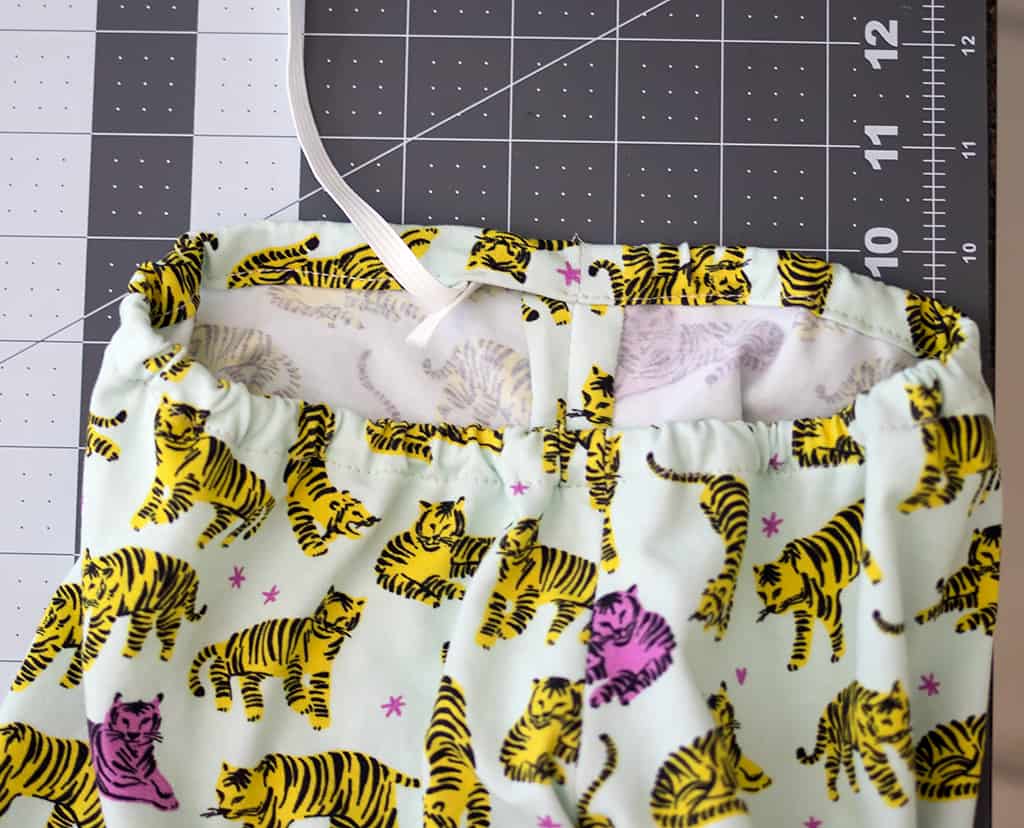
Using an iron, press down the waistband 1/4 inch (if you are using 1/2 inch elastic, press down 1/2 inch). Fold it over and press down again. Stitch in place, leaving a small opening to feed the elastic through.
Measure the elastic around the waist. Cut 1 1/2 inches off. Attach a safety pin to the end of the elastic and feed it through the waistband. Sew ends together and sew the opening closed.
Looking for more sewing tutorials?
If you’re ready to keep sewing, be sure to explore more of my sewing patterns and tutorials for additional inspiration. You’ll find a variety of beginner-friendly projects, from simple everyday clothing to fun seasonal makes, all designed with clear, step-by-step instructions.
Start here:
👉 How to Sew Baby Pants Without a Pattern
👉 How to Sew Baby Blocks With Tags
👉 How to Sew an Easy Baby Hat (10 Minutes!)
These patterns are perfect for building your skills while creating pieces you’ll actually wear and use. Browse the full collection to discover your next project and continue growing your handmade wardrobe.
Ways to Customize Your Shorts
Once you have your pattern, you can easily modify it:
- Add pockets
- Change the length
- Use different fabrics (linen, cotton, denim)
- Add drawstrings or decorative trims
- Adjust the fit for a looser or slimmer silhouette
This is where the real fun begins—you can create endless variations from one base pattern.
Common Mistakes to Avoid
When learning how to make a sewing pattern out of existing shorts, watch out for:
Not flattening the garment properly
This can distort the shape.
Forgetting seam allowances
Your shorts will turn out too small.
Skipping the test version
Fit issues are much harder to fix later.
Using stretched-out shorts
Always use a well-fitting pair as your base.
Tips for Better Results
- Use weights instead of pins for smoother tracing
- Trace slowly for more accurate curves
- Label everything clearly
- Store patterns in envelopes or folders
- Keep notes on adjustments
Over time, you’ll build a collection of custom-fit patterns you can reuse again and again.
Beginner-Friendly Sewing Projects to Try Next
If you enjoyed this project, here are a few more beginner sewing ideas:
👉 How to Sew an Easy Caftan Dress (No Pattern Needed)
👉 How to Sew a Kids Beach Towel Poncho- no pattern necessary!
👉 How to Sew Kid’s Shorts With a Pattern
You can also explore more tutorials in your sewing category to build your skills.
Why This Method Works So Well
The reason this technique is so effective is simple: you’re starting with a garment that already fits.
Instead of guessing measurements or adjusting commercial patterns, you’re copying something proven. Many guides highlight that the process involves sketching the garment shape, refining it with paper pieces, and adjusting as needed.
This makes it one of the most beginner-friendly ways to start pattern making.
How to Adjust Your Shorts Pattern for the Perfect Fit
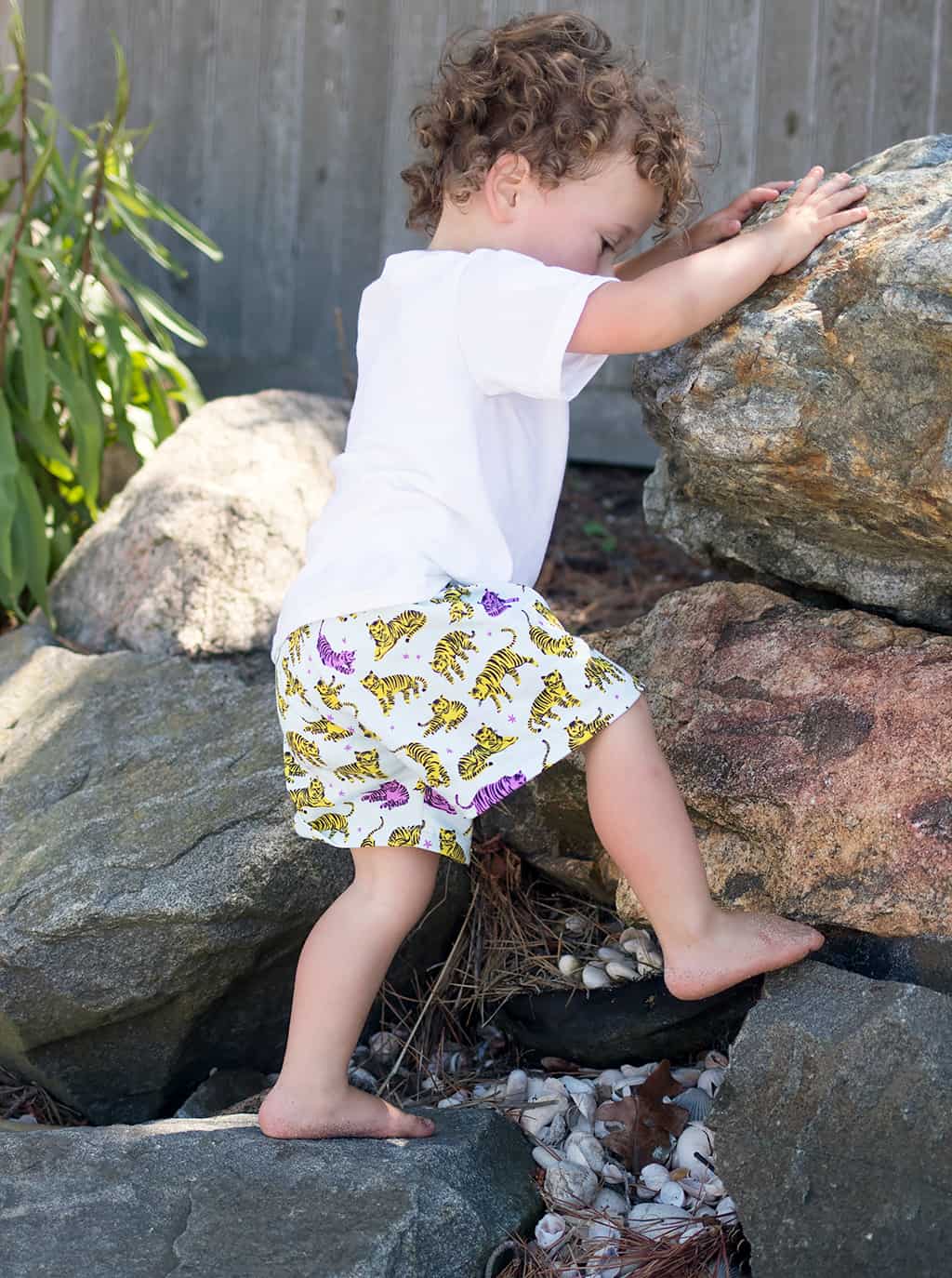
One of the biggest advantages of learning how to make a sewing pattern out of existing shorts is that you can easily adjust the fit to suit your personal preferences. Even if your original shorts fit well, small tweaks can make your handmade version even better.
If you prefer a more relaxed fit, try adding a little extra width to the side seams. Simply extend the outer edge of your pattern by ¼ to ½ inch. This small change can make your shorts feel more comfortable, especially if you’re using a non-stretch fabric like linen or cotton.
For a more fitted look, you can do the opposite by slightly tapering the side seams. Be careful not to remove too much fabric, as shorts need enough ease to allow for movement and sitting comfortably.
You can also adjust the rise of your shorts. If you want a higher-waisted style, extend the waistband area upward by an inch or more. For a lower rise, shorten the top edge slightly. Keep in mind that changing the rise will also affect how the shorts sit on your body, so it’s always a good idea to test the adjustment with a muslin first.
Length is another easy modification. Whether you want a longer, more modest style or short summer lounge shorts, simply adjust the hemline on your pattern. Draw a new hemline parallel to the original to keep the shape consistent.
Looking for more Easy Sewing Projects?
Free Kid’s T-Shirt Sewing Pattern for Boys and Girls
How to Sew Baby Pants Without a Pattern
How to Sew a Hooded Towel Poncho- No Pattern Necessary
Choosing the Best Fabric for Your Shorts
Fabric choice plays a huge role in how your finished shorts will look and feel. Lightweight woven fabrics like cotton, chambray, and linen are excellent choices for beginners because they’re easy to sew and breathable for everyday wear.
If you want something softer and more relaxed, consider using jersey knit fabric. Just keep in mind that knit fabrics stretch, so your finished shorts may fit differently than your original pair.
For a more structured look, fabrics like denim or twill work well, but they can be slightly more challenging to sew, especially for beginners.
When selecting fabric, think about how you plan to wear your shorts. Are they for lounging, everyday errands, or a more polished outfit? Matching your fabric choice to your intended use will help you get the best results.
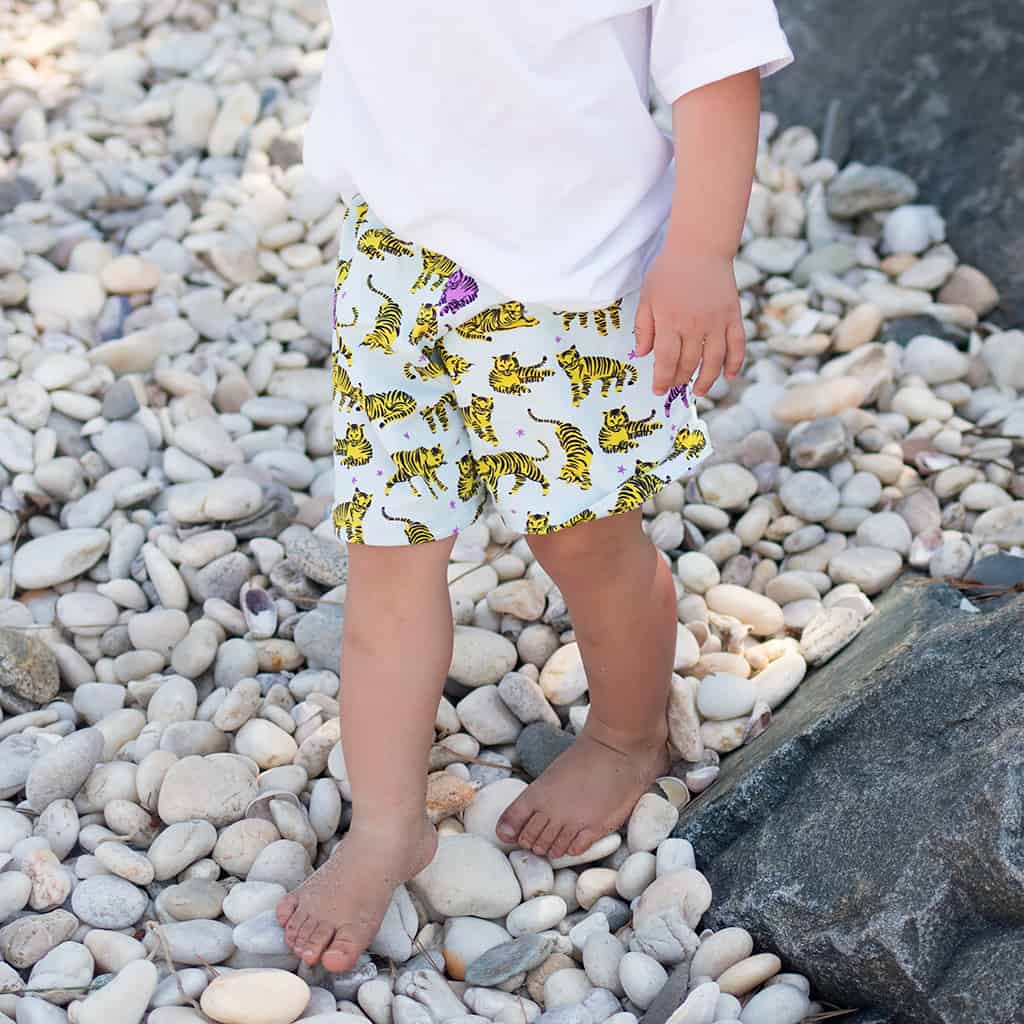
Learning how to make a sewing pattern out of existing shorts is one of the most empowering skills you can add to your DIY toolkit. It allows you to recreate pieces that already fit well, eliminate the guesswork of sizing, and build a wardrobe that truly reflects your style. With just a few basic tools and a little patience, you can turn your favorite shorts into a reusable pattern that opens the door to endless variations.
Whether you’re sewing for yourself or your family, this method makes it easy to customize fit, fabric, and design details while gaining confidence in your sewing skills. Once you try it, you’ll start looking at every well-fitting garment as an opportunity to create something new.
✨ I’d love to see what you’re making! ✨
If you’ve tried one of my knitting patterns, crochet projects, DIYs, or recipes, share your finished project on Instagram and tag me so I can see it 💛
There’s nothing better than seeing your creations come to life—from cozy knits to delicious recipes and everything in between. It truly makes my day!
Tag me @ginamicheleny so I can share your work and cheer you on!
Happy making!