How to Make Non-Slip Soles for Knit Slippers (Easy DIY That Actually Works)
Learn how to make non-slip soles for knit slippers using fleece and puffy paint. This easy DIY slipper sole tutorial is beginner-friendly, inexpensive, and works for all slipper sizes.
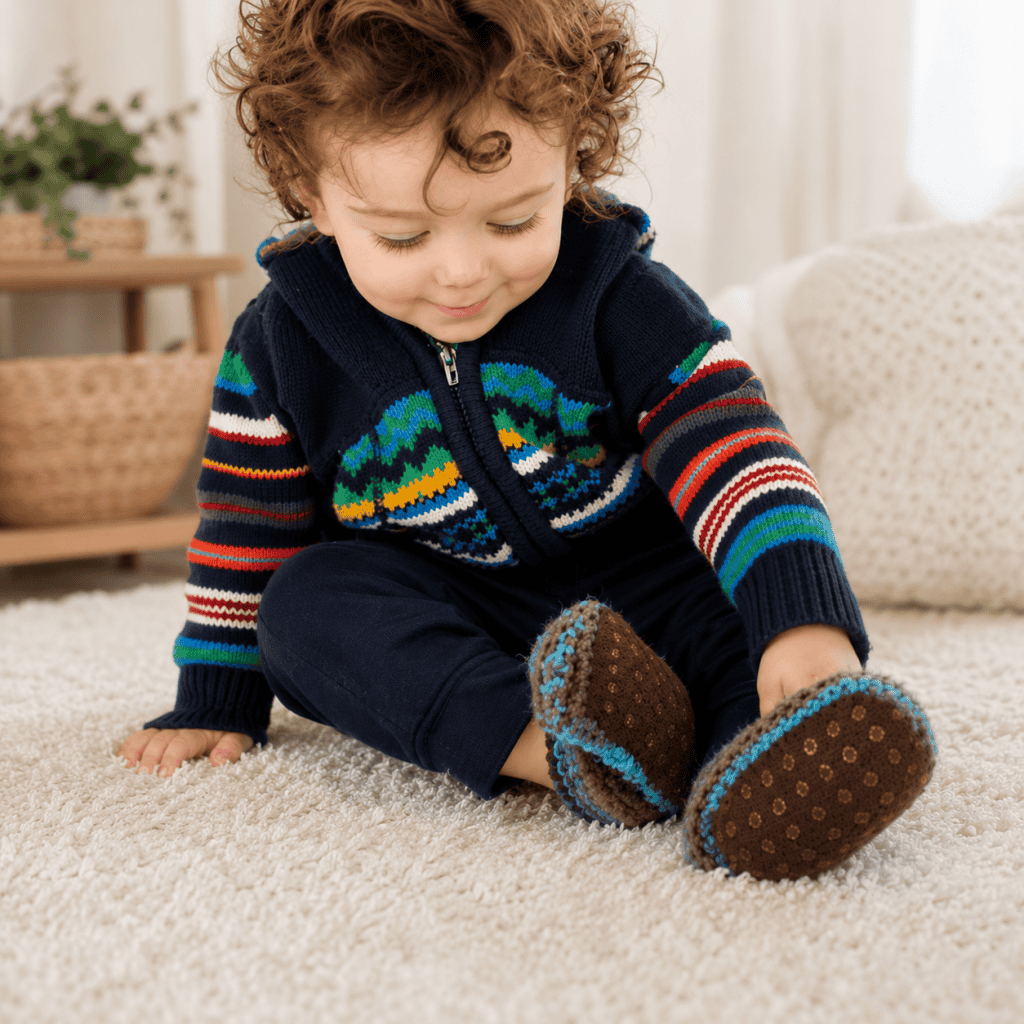
If you love knitting cozy slippers, there’s one problem almost every knitter runs into eventually: slippery floors. Handmade slippers are warm and comfortable, but without traction, they can slide dangerously on hardwood, tile, or laminate floors. Thankfully, adding non-slip soles to knit slippers is incredibly easy — and you probably already have most of the supplies at home.
In this tutorial, I’ll show you exactly how to make and attach simple non-slip soles using fleece and puffy paint. This method is inexpensive, beginner-friendly, machine washable, and works beautifully for slippers of all sizes. Whether you’re knitting slippers for yourself, kids, or handmade holiday gifts, this easy upgrade instantly makes them more durable and practical.
You can also use this method on crochet slippers, slipper socks, and even baby booties.
Why You Should Add Non-Slip Soles to Knit Slippers
Handmade slippers are naturally soft and flexible, which makes them incredibly cozy. But that softness can also make them slippery on smooth floors.
Adding a non-slip sole helps:
Improve traction on hardwood floors
Make slippers safer for kids and older adults
Increase durability and wear
Add extra cushioning
Help slippers hold their shape longer
Create a more professional finished look
This is especially useful for chunky knit slippers and super bulky slipper patterns, since thicker yarns can sometimes slide more easily on smooth flooring.
Adding soles also makes handmade slippers feel more like store-bought house shoes while still keeping the cozy handmade charm.
Looking for free knitting patterns? Browse this full collection of easy knitting patterns you can start today:
50 Free Knitting Patterns You’ll Actually Want to Make (Beginner-Friendly)
10 Easy Baby Knitting Patterns for Beginners
10 Quick Summer Knitting Patterns
15 Easiest Free Knitting Patterns
15 Easy Summer Knitting Patterns You Can Make This Weekend
10 Easy Baby Knitting Patterns That Look Impressive (But Are Actually Beginner-Friendly)
How to Make Non-Slip Soles for Knit Slippers (Easy DIY That Actually Works)
(As an Amazon associate, I earn from qualifying purchases)
Supplies You’ll Need
One of the best things about this DIY is how affordable and simple it is.
Materials
Fleece fabric
Needle and thread
Scissors
Puffy paint or dimensional fabric paint
Your finished knit slippers
The original tutorial uses fleece because it’s soft, inexpensive, durable, and does not fray when cut.
Puffy paint dries with a rubbery texture that creates grip along the bottom of the slipper sole. It’s also washable and flexible, making it ideal for wearable projects.
Why Fleece Works So Well for Slipper Soles
There are several materials you can use for slipper bottoms, but fleece is one of the easiest options for beginners.
Benefits of Fleece Soles
Easy to sew by hand
Soft and flexible
Budget-friendly
Available in many colors
Doesn’t fray
Comfortable underfoot
Easy to trim and customize
Unlike felt or leather, fleece is forgiving and easy to work with even if you don’t sew often.
It also adds a little extra warmth to winter slippers, which makes handmade knit slippers even cozier.
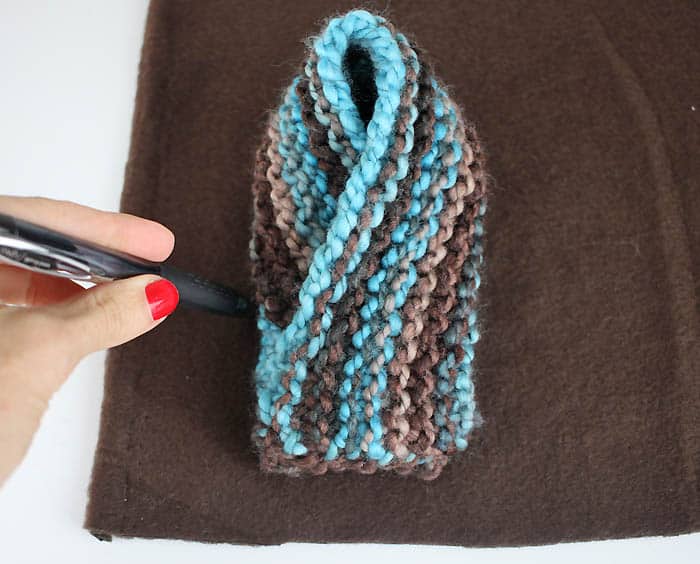
Step 1: Trace the Slipper Sole
Start by placing your finished slipper directly on top of the fleece fabric.
Using a pen or fabric marker, trace around the bottom of the slipper.
You want the tracing to follow the shape of the sole closely without adding too much extra space around the edges.
If your slippers are very stretchy, gently flatten them while tracing so the sole matches the natural foot shape.
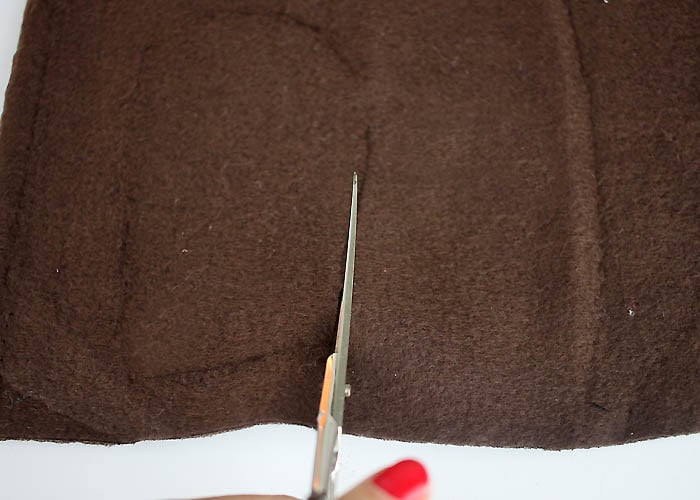
Step 2: Cut Out the Fleece Soles
Once traced, carefully cut out the fleece sole pieces.
Hold the fleece sole against the bottom of the slipper and check the fit.
If needed, trim small amounts around the edges until the fleece matches the slipper shape neatly.
Don’t worry if it’s not absolutely perfect — the slight softness of fleece helps hide tiny imperfections once sewn on.
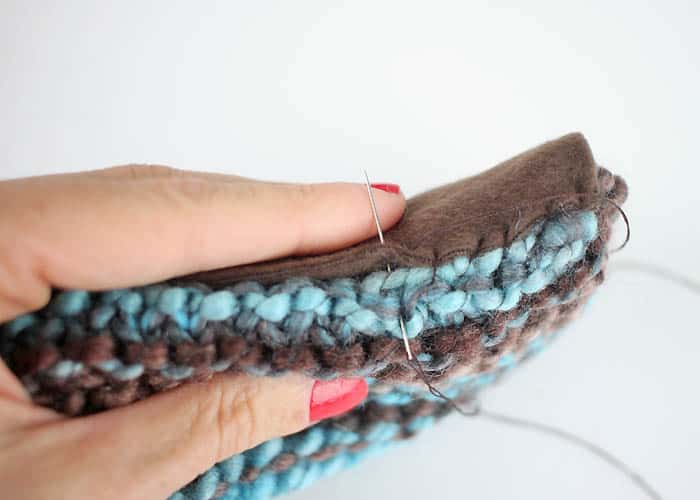
Step 3: Sew the Soles to the Slippers
Next, attach the fleece sole using a simple whip stitch around the edge of the slipper.
A whip stitch works well because it’s:
Beginner-friendly
Strong and durable
Flexible for knitted fabric
Easy to keep neat
Try to keep your stitches evenly spaced around the sole.
You can use a matching thread for an invisible finish or a contrasting thread for a handmade decorative look.
The fleece will naturally curve nicely around the slipper as you sew.
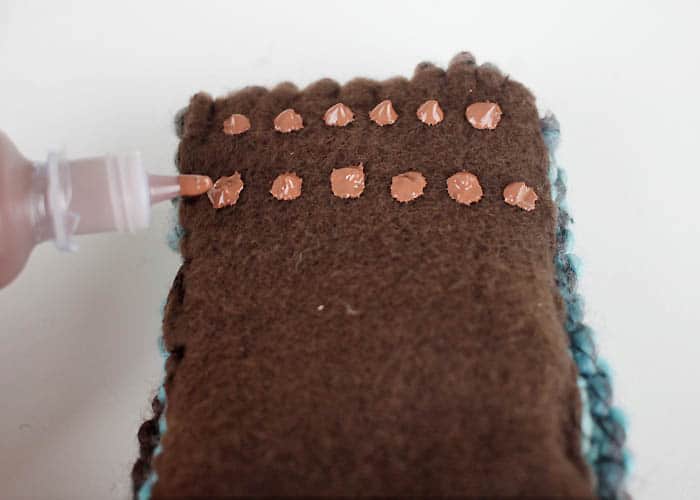
Step 4: Add the Non-Slip Grip
Once the fleece sole is attached, it’s time to make the slippers non-slip.
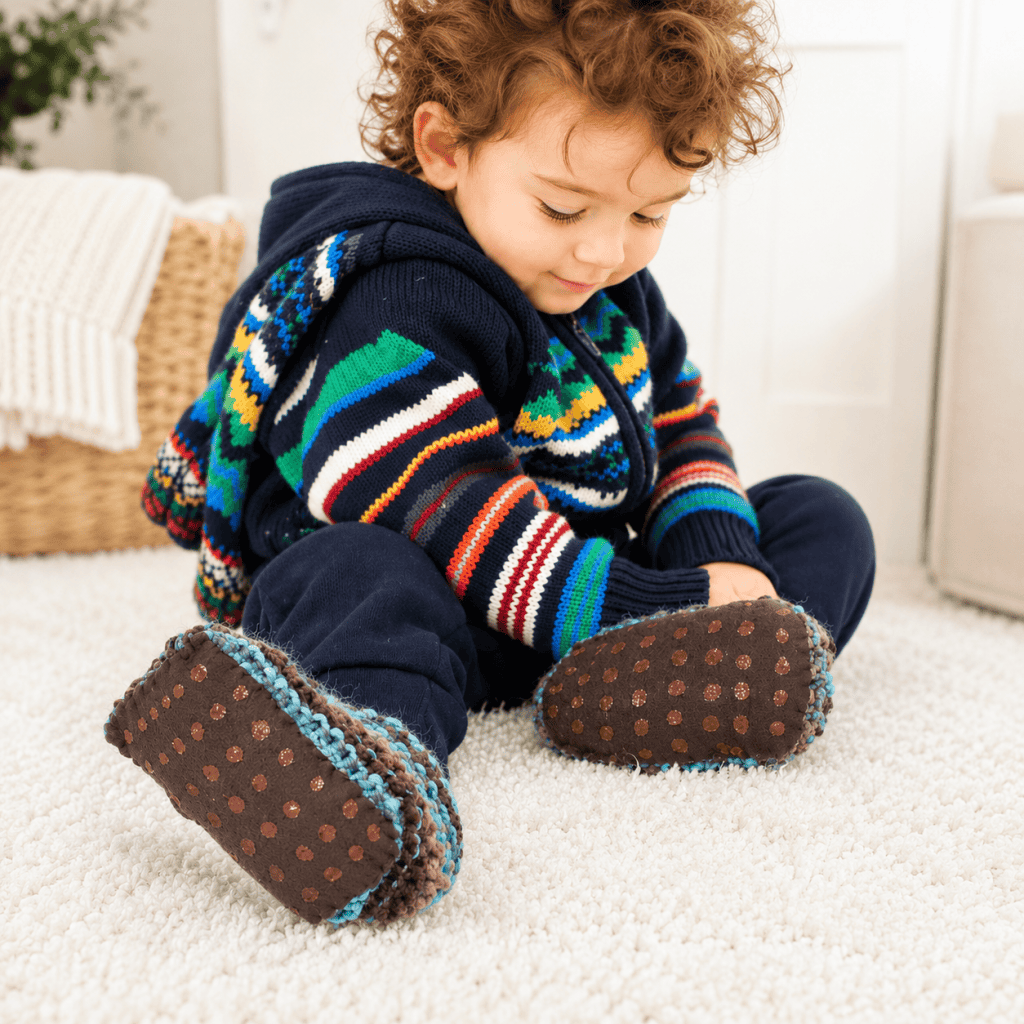
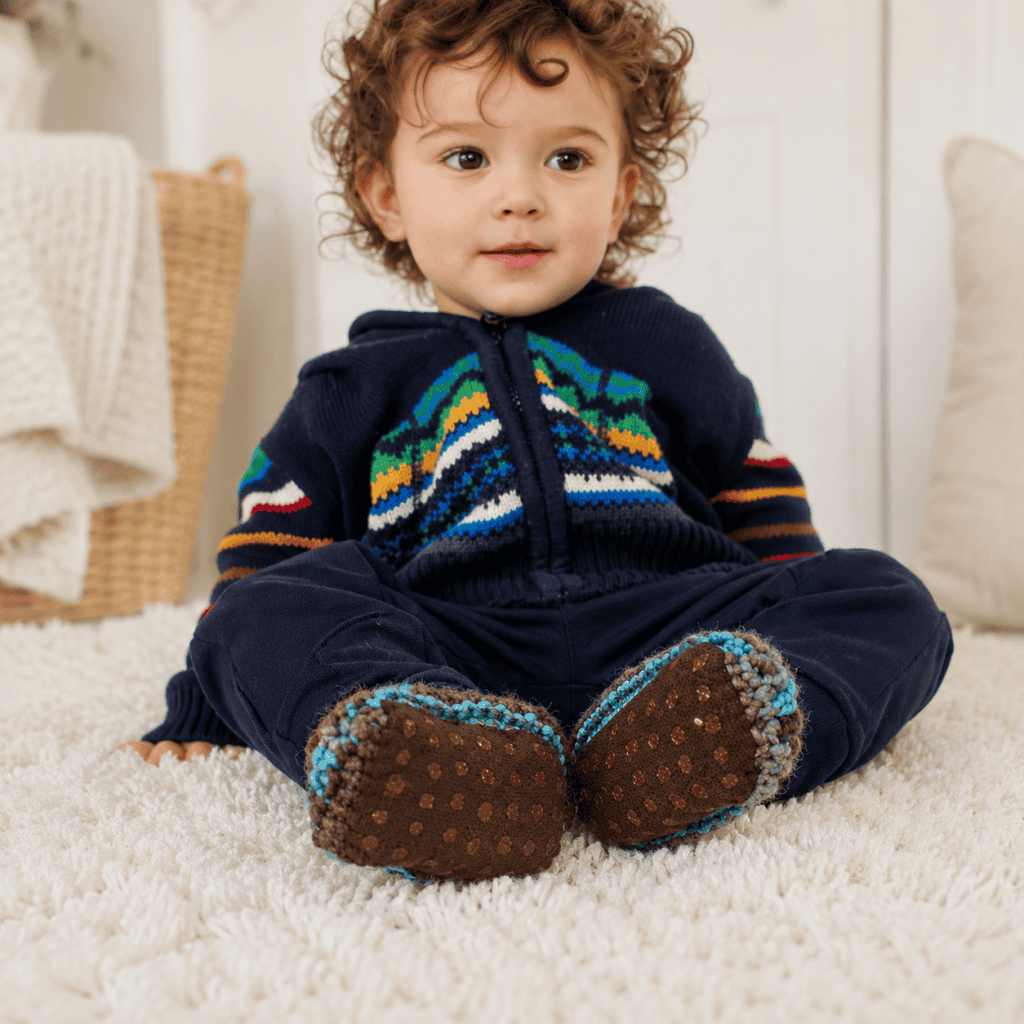
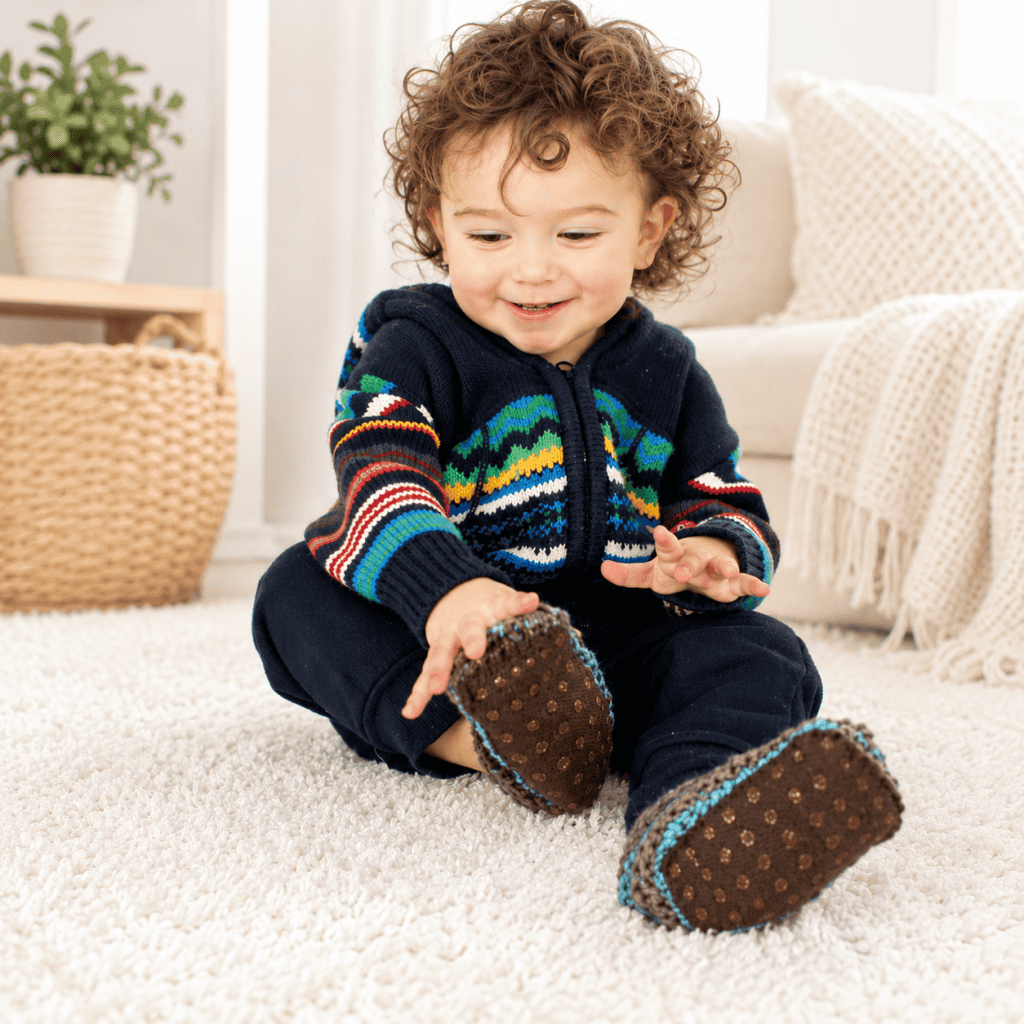
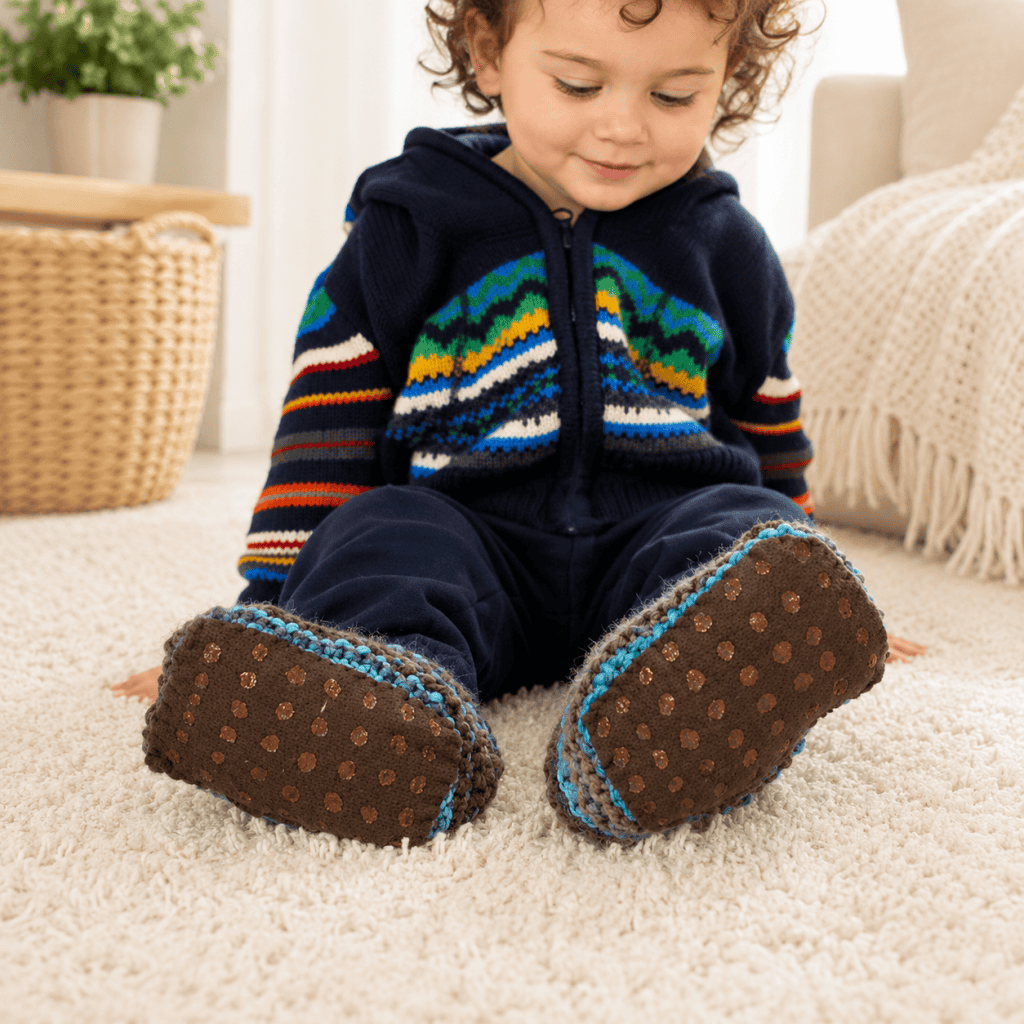
Using puffy paint or dimensional fabric paint, add small dots along the bottom of the fleece sole.
You can create:
Rows of dots
Zigzags
Small hearts
Snowflakes
Simple grip lines
The important thing is evenly distributing grip across the sole.
Allow the paint to dry completely according to the package directions before wearing the slippers.
Once dry, the paint creates a flexible rubber-like texture that helps prevent slipping.
Tips for the Best Non-Slip Slipper Soles
Let the Paint Cure Fully
Even if the paint feels dry after a few hours, giving it overnight to cure helps improve durability.
Use Smaller Dots
Large blobs of paint can feel uncomfortable while walking. Smaller evenly spaced dots work better.
Reinforce High-Wear Areas
Add extra paint along the heel and ball of the foot since those areas wear down fastest.
Double the Fleece for Extra Cushion
For extra warmth and padding, you can layer two fleece soles together before sewing.
Alternative Materials for Slipper Soles
Fleece is one of the easiest materials to use, but there are other options if you want a different look or feel.
Suede
Soft suede adds durability and a professional finish.
Leather
Leather soles last a long time and provide excellent traction.
Felted Wool
Felted wool creates warm sturdy soles for winter slippers.
Grip Fabric
Special anti-slip fabric designed for slippers and socks is another great option.
Best Types of Slippers for Non-Slip Soles
This method works beautifully on almost any handmade slipper pattern.
Some especially great options include:
Flat knit slippers
Slipper socks
Chunky knit slippers
Baby booties
Crochet slippers
Felted slippers
If you love beginner-friendly slipper knitting projects, you may also enjoy:
Easy Slipper Socks Knitting Pattern (Beginner-Friendly + Knit Flat on Straight Needles)
Easy Knit Slippers Pattern (Flat Knit, Beginner-Friendly)
Origami Slippers Knitting Pattern
Super Easy Men’s Slippers Knitting Pattern (Beginner-Friendly + Knit Flat on Straight Needles)
Easiest Little Kid Slippers Knitting Pattern (Knit Flat + Beginner-Friendly on Straight Needles)
Easy Kids Bunny Slippers Knitting Pattern (Beginner-Friendly + Knit Flat on Straight Needles)
Easiest Toddler Slippers Knitting Pattern (Beginner-Friendly + Knit Flat)
Are Non-Slip Soles Machine Washable?
Yes — if you use washable fleece and dimensional fabric paint, the slippers can usually be machine washed gently.
For best results:
Wash cold
Use gentle cycle
Air dry when possible
Avoid high heat
Over time, you can always refresh the grip by adding additional puffy paint dots if needed.
Why This Is Perfect for Handmade Gifts
Adding non-slip soles instantly makes handmade slippers feel more thoughtful and polished.
This is especially helpful when gifting slippers to:
Kids
Grandparents
New moms
Teachers
Holiday gift recipients
The added traction makes the slippers safer and more practical for everyday use.
Handmade gifts that are both beautiful and functional tend to become favorites.
Common Mistakes to Avoid
Making the Sole Too Large
Oversized soles can bunch awkwardly around the edges.
Using Paint Before Sewing
Always sew the sole first before applying the puffy paint.
Applying Thick Paint Layers
Thin dots grip better and dry more evenly.
Skipping Dry Time
Walking on the soles before fully dry can flatten the grip texture.
More Easy Knitting Tutorials You May Like
If you enjoy practical knitting tutorials and beginner-friendly projects, you might also love:
How to Make Perfect Tassels Every Time (Easy DIY Tassel Tutorial with Clover Tassel Maker)
How to Knit the Drop Stitch (Easy Beginner-Friendly Knitting Tutorial + Video)
How to Knit the 3 Color Honeycomb Stitch (Easy Beginner Colorwork Tutorial)
9 Unique Knitting Stitches You’ll Want to Try (Easy, Beginner-Friendly + Beautiful Textures)
How to Knit the Hurdle Stitch (Easy Beginner Stitch Pattern You Can Learn Fast)
How to Make Perfect Pom Poms with a Clover Pom Pom Maker (Easy Step-by-Step Guide)
How to Add Beads to Knitting (Easy Step-by-Step Guide for Beginners)
FAQ for How to Make Non-Slip Soles for Knit Slippers
What is the best material for non-slip slipper soles?
Fleece is one of the easiest and most affordable options because it’s soft, easy to sew, and doesn’t fray. Suede and leather are also popular for durability.
Does puffy paint really work for non-slip slippers?
Yes. Puffy paint dries with a rubbery texture that adds grip to slipper bottoms and helps prevent slipping.
Can I wash slippers with puffy paint soles?
Usually yes. Most dimensional fabric paints are machine washable after curing completely.
Can I use this method on crochet slippers?
Absolutely. This tutorial works for both knit and crochet slippers.
What can I use instead of puffy paint?
You can use sock stop products, silicone grip fabric, or pre-made anti-slip pads.
Are fleece soles durable?
Yes. Fleece holds up surprisingly well for indoor slippers and is easy to replace if needed.
Is this beginner-friendly?
Very. Even if you have minimal sewing experience, this project is simple and approachable.
Adding non-slip soles to knit slippers is one of those simple finishing touches that makes a huge difference. It only takes a little extra time, but it instantly improves safety, durability, comfort, and overall quality.
Whether you’re knitting cozy house slippers for yourself or making handmade gifts for family and friends, this easy DIY technique helps your slippers last longer and feel even more special.
Once you try it, you’ll probably want to add non-slip soles to every pair of slippers you make.
✨ I’d love to see what you’re making! ✨
If you’ve tried one of my knitting patterns, crochet projects, DIYs, or recipes, share your finished project on Instagram and tag me so I can see it 💛
There’s nothing better than seeing your creations come to life—from cozy knits to delicious recipes and everything in between. It truly makes my day!
Tag me @ginamicheleny so I can share your work and cheer you on!
Happy knitting!