Stranded Knitting for Beginners (Easy Colorwork Tips & Techniques)
Stranded Knitting for Beginners: Learn easy colorwork tips and techniques, including how to manage floats, improve tension, and create beautiful knitted designs.
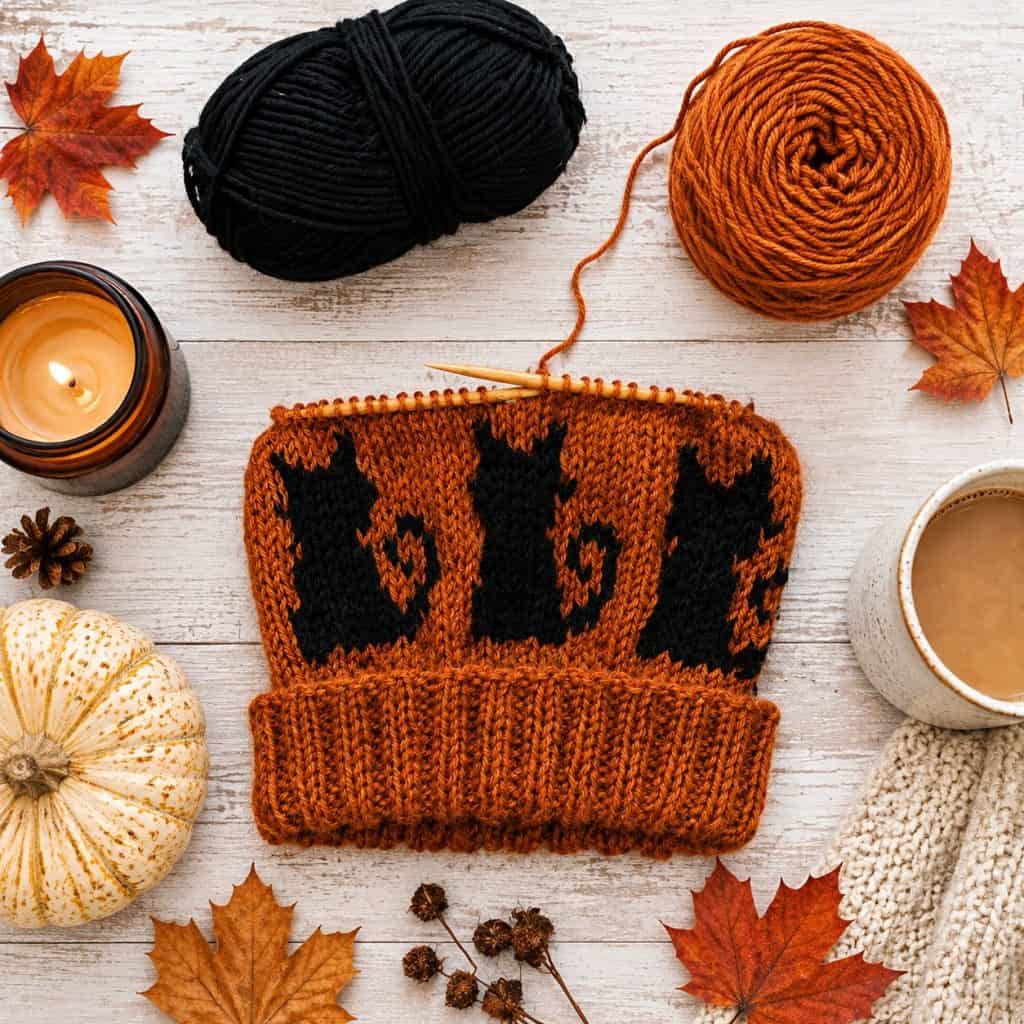
Stranded knitting is a beautiful colorwork technique that allows you to create eye-catching designs using two or more colors of yarn in the same row. From classic Fair Isle-inspired patterns to modern geometric designs, stranded knitting adds personality and detail to hats, sweaters, scarves, mittens, and other handmade accessories.
If you’ve admired colorful knitwear but felt unsure about trying colorwork, stranded knitting is a great technique to learn. While it may look complicated, the basics are simple: you work with one color at a time while carrying the unused yarn across the back of your work. These carried strands are called floats, and learning how to manage them is the key to creating beautiful, comfortable colorwork.
This Stranded Knitting for Beginners guide will walk you through the basics of stranded knitting, how to hold your yarn, how to keep your floats loose, and tips for creating even, professional-looking colorwork projects.
Looking for free knitting patterns? Browse this full collection of easy knitting patterns you can start today:
50 Free Knitting Patterns You’ll Actually Want to Make (Beginner-Friendly)
10 Easy Baby Knitting Patterns for Beginners
10 Quick Summer Knitting Patterns
15 Easiest Free Knitting Patterns
15 Easy Summer Knitting Patterns You Can Make This Weekend
10 Easy Baby Knitting Patterns That Look Impressive (But Are Actually Beginner-Friendly)
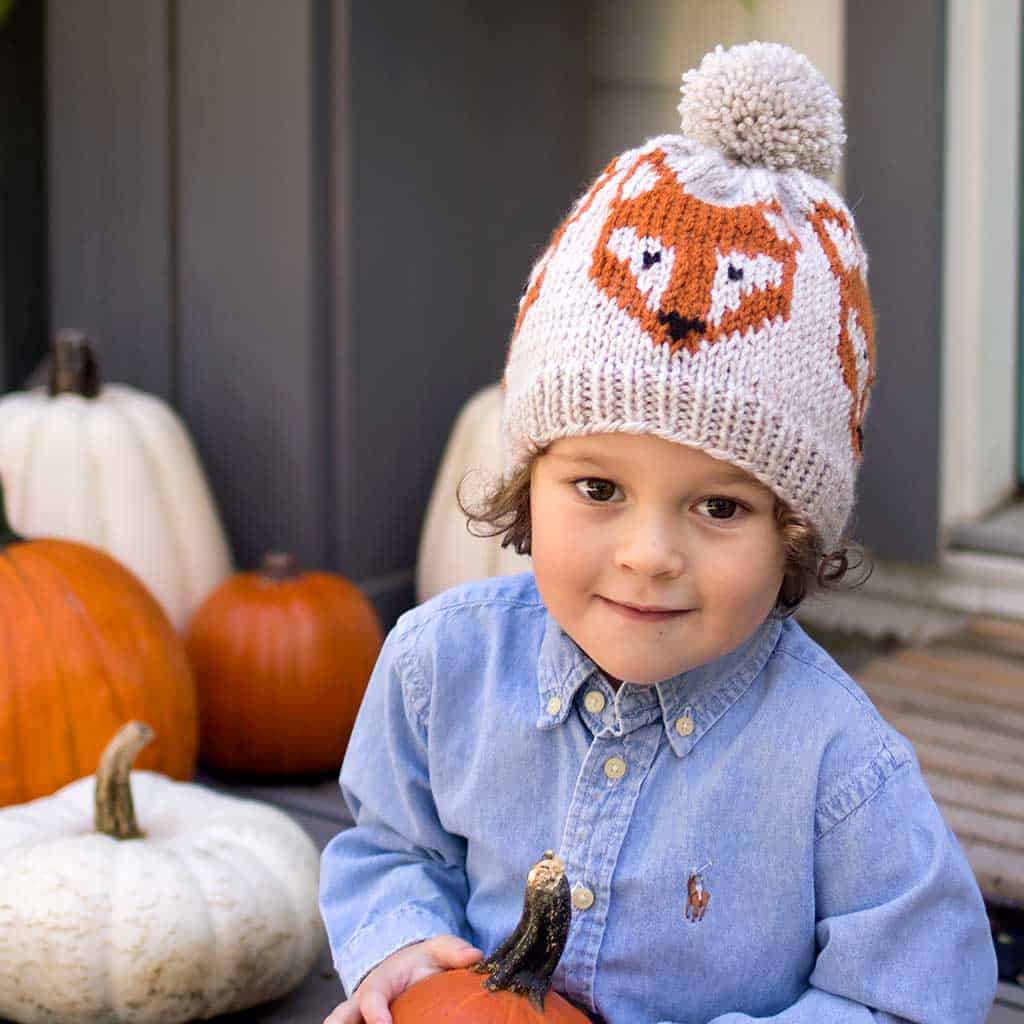
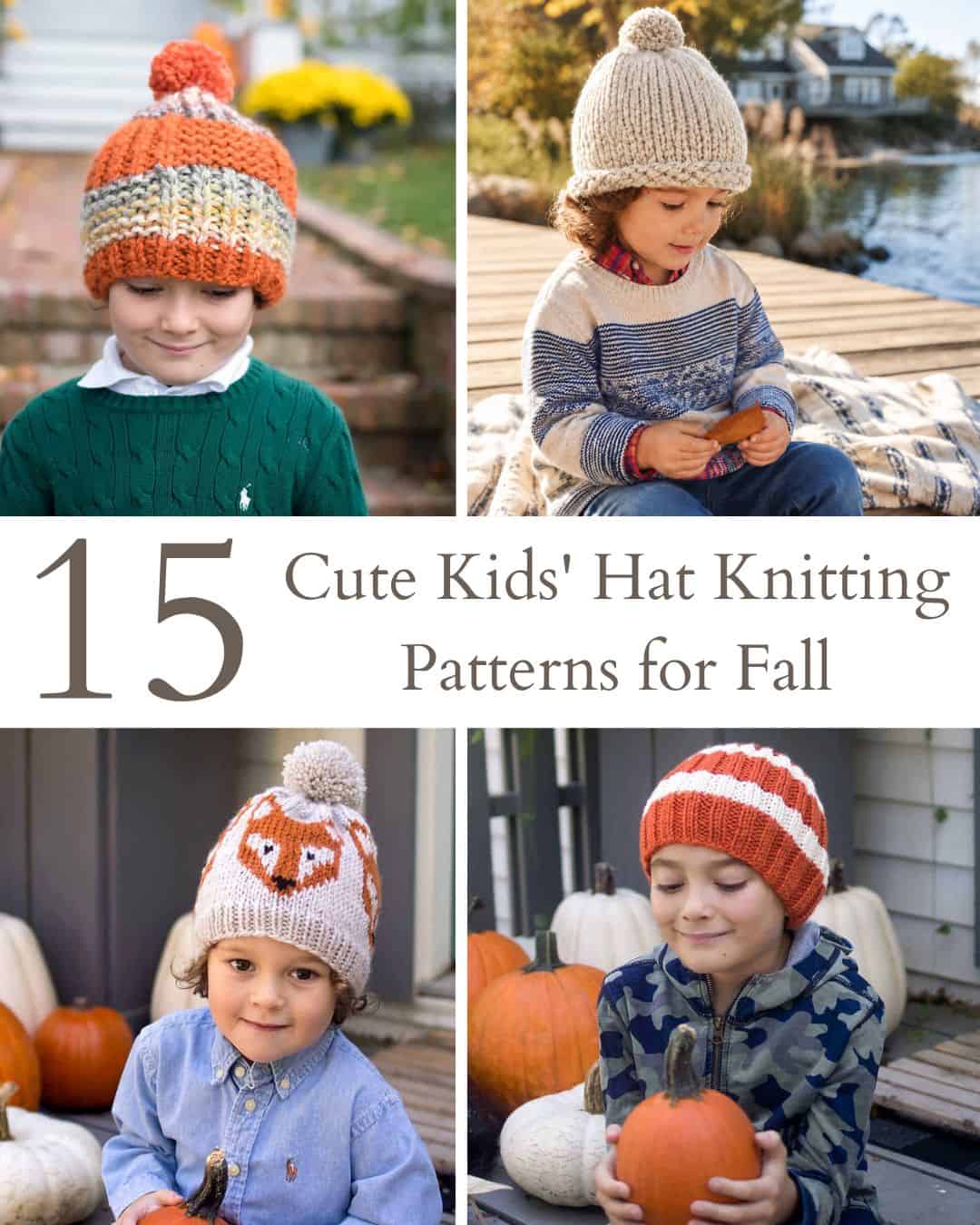
Colorwork Fox Hat Knitting Pattern (Easy Woodland Beanie for Kids)
Stranded Knitting for Beginners (Easy Colorwork Tips & Techniques)
✨ Ad-Free Printable Patterns Available! ✨
The ad-free, printable PDFs of these patterns are now available for purchase at Shop Gina Michele—perfect for easy, distraction-free stitching.
Looking for more projects? Browse the Knitting Pattern Directory to explore all my knitting patterns in one place.
(As an Amazon associate, I earn from qualifying purchases)
What Is Stranded Knitting?
Stranded knitting is a type of colorwork knitting where two or more colors of yarn are used within the same row or round. Instead of cutting the yarn each time you change colors, the unused yarn is carried along the back of the work.
The strands of yarn that travel across the back are called floats. These floats connect areas of the same color and allow you to create detailed patterns without having dozens of yarn ends to weave in.
Stranded knitting is commonly used for:
Fair Isle-inspired hats and sweaters
Colorwork mittens and gloves
Animal and nature-inspired designs
Geometric patterns
Seasonal knitting projects
Holiday-themed accessories
Many popular knit colorwork patterns use stranded knitting because it creates a warm, double-layered fabric that is perfect for cold-weather accessories.
How Does Stranded Knitting Work?
The basic idea behind stranded knitting is simple:
Knit with one color while carrying another color behind your work
Switch colors when the pattern requires it
Allow the unused yarn to float across the back
Keep the floats loose enough for the fabric to stretch
For example, if you are knitting a hat with a pumpkin, fox, or cat design, you might knit several stitches in the background color before switching to the contrast color to create the design.
The yarn you are actively knitting with is called the working yarn. The yarn being carried behind your work is the floated yarn.
The biggest challenge for beginners is learning how to keep those floats relaxed. If the floats are too tight, the fabric will pucker and the finished project may not stretch enough to fit properly.
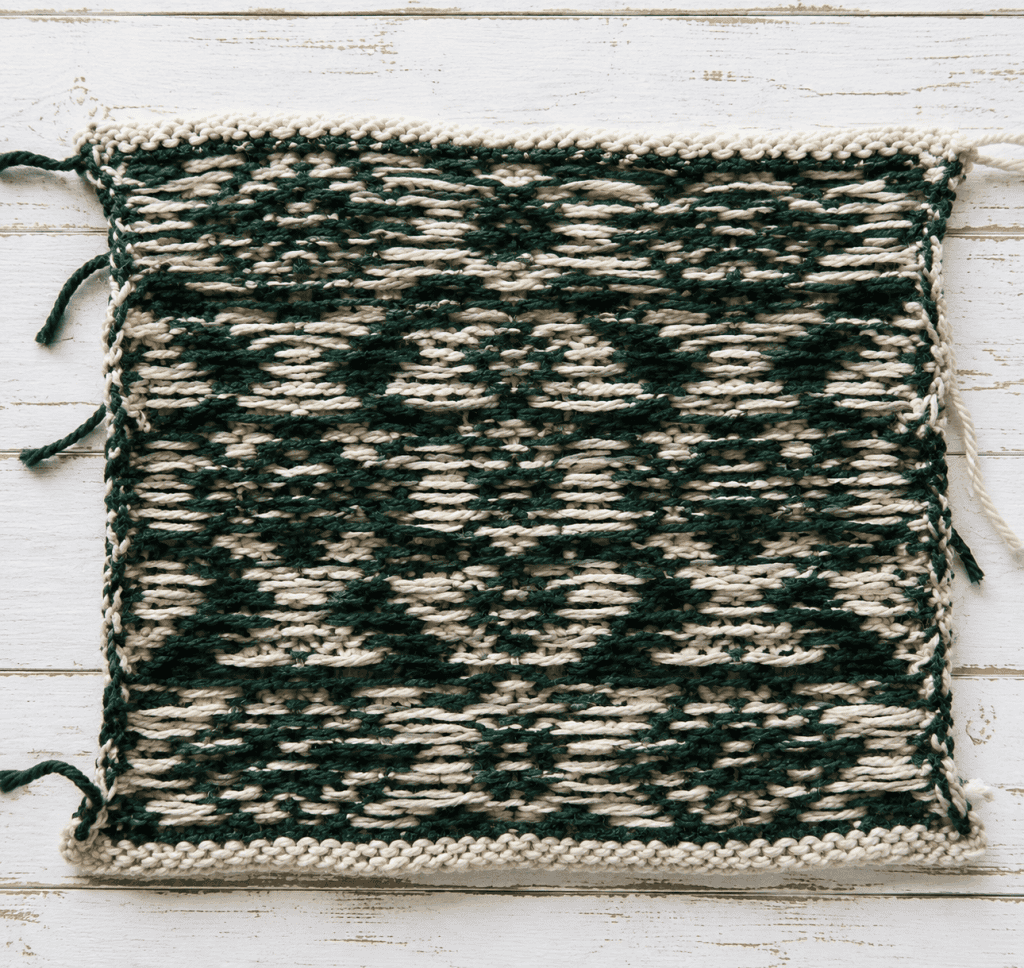
Tips for Keeping Stranded Knitting Floats Loose
One of the most common questions beginners have is: “Why are my stranded knitting floats too tight?”
Tight floats are extremely common when learning colorwork. The good news is that this is a skill that improves with practice.
Here are some tips for creating loose, even floats:
1. Spread Your Stitches Before Catching the Float
When you change colors, gently spread the stitches on your right needle before continuing. This gives the float enough length to move naturally across the back of the fabric.
If you pull the yarn tight immediately after changing colors, the float may become too short.
2. Avoid Pulling the Yarn After Every Stitch
Many knitters accidentally tighten their floats by adjusting the yarn tension after each stitch. Try to maintain a relaxed hand and let the stitches sit naturally on the needle.
The goal is a smooth fabric, not a tightly stretched back.
3. Use Larger Needles for Colorwork
Some knitters find that their stranded knitting gauge becomes tighter than their regular knitting. If this happens, try using needles one size larger for your colorwork section.
This helps create a fabric with enough room for the floats and keeps the finished project comfortable.
4. Practice With Small Projects
A small project like a hat, headband, or pair of mittens is a great way to practice stranded knitting without committing to a large sweater.
Hats are especially popular beginner colorwork projects because the floats are easy to manage and the finished item is practical.
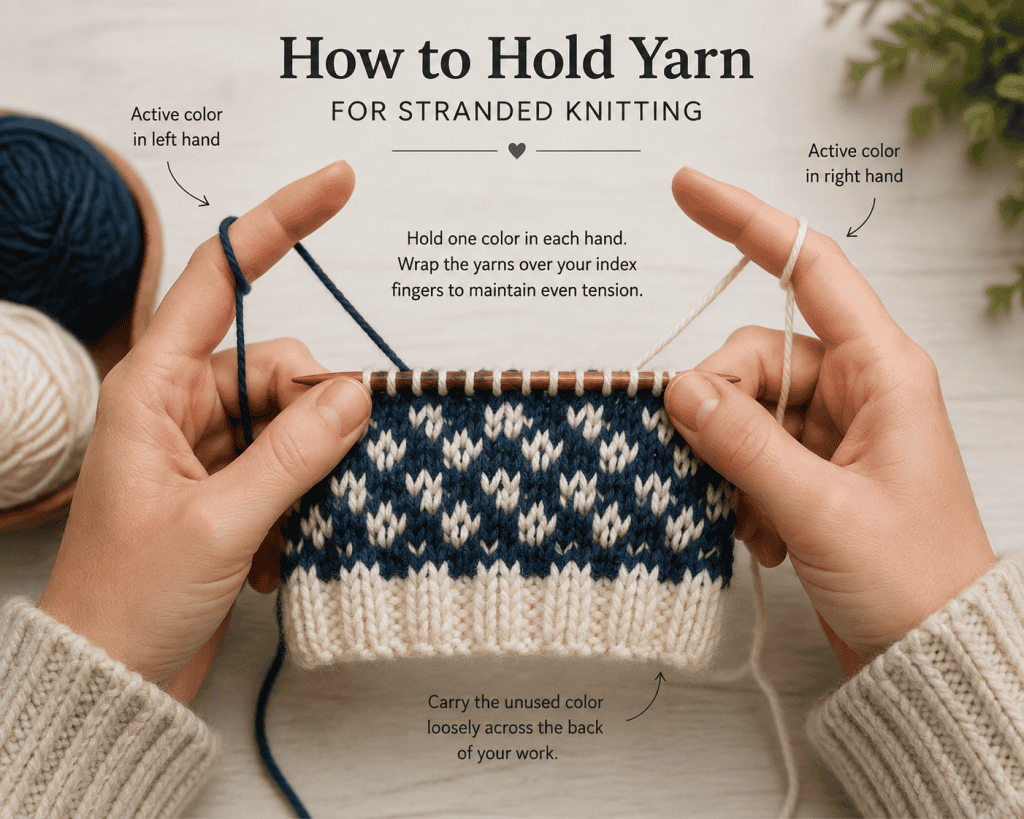
How to Hold Yarn for Stranded Knitting
There are several ways to hold yarn while knitting stranded colorwork. The best method is the one that feels comfortable and gives you consistent tension.
Hold Both Colors in One Hand
Some knitters hold both yarn colors in their dominant hand and pick the yarn they need. This method allows you to control both strands at the same time.
Hold One Color in Each Hand
Another popular technique is holding one color in each hand.
For example:
Hold the background color in your left hand
Hold the contrast color in your right hand
This method can make color changes faster and helps prevent the yarns from twisting together.
There is no “correct” way to hold your yarn. Experiment with different methods and choose what feels most natural.
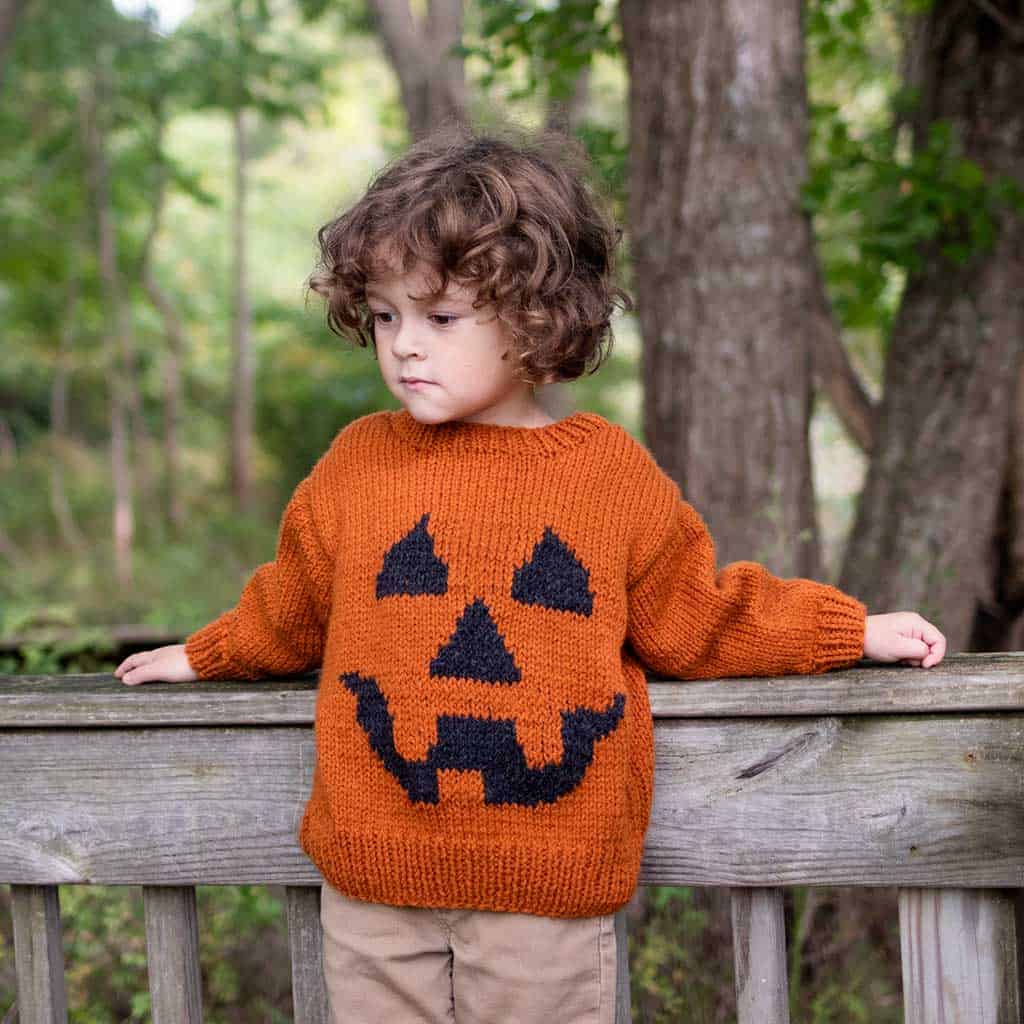
Kids Jack-O’-Lantern Sweater Knitting Pattern (Easy Halloween Sweater for Kids)
Stranded Knitting Patterns to Try Next
If you love the look of colorful knit designs, stranded knitting is a fun technique to explore. Also known as Fair Isle knitting, this method uses two or more colors in the same row to create beautiful motifs, patterns, and cozy handmade details. From classic winter hats to playful kids’ designs, stranded knitting adds a special handmade touch to everyday projects.
Once you’ve practiced managing your floats and keeping your tension even, try one of these cozy colorwork knitting patterns:
Kids Colorwork Pumpkin Hat Knitting Pattern (Cute Fall Beanie)
Colorwork Owl Hat Knitting Pattern for Kids (Easy Stranded Knitting)
Colorwork Evergreen Hat Knitting Pattern
Colorwork Snowman Hat Knitting Pattern
Kids Spider Hat Knitting Pattern
Kids Skull Hat Knitting Pattern
Stranded knitting may look complicated, but with a few helpful techniques—like keeping floats loose, spreading stitches across the needle, and practicing color changes—it becomes an enjoyable way to create unique handmade pieces. These cozy patterns are perfect for adding a little extra texture, color, and personality to your fall and winter knitting projects.
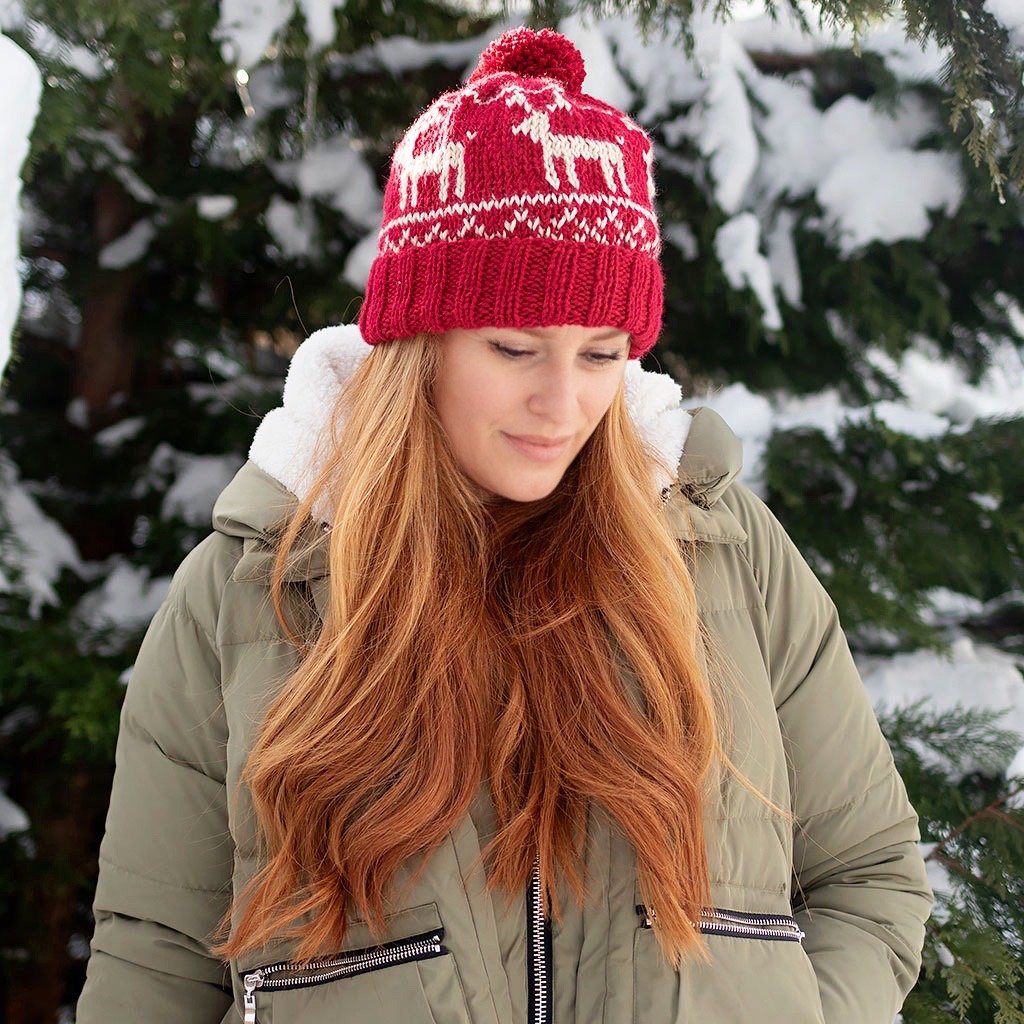
Fair Isle Reindeer Hat Knitting Pattern
What Is Fair Isle Knitting?
Fair Isle knitting is a traditional style of stranded colorwork that originated in the Shetland Islands. It is known for colorful patterns featuring repeating motifs and limited color combinations.
Today, the terms Fair Isle knitting and stranded knitting are often used interchangeably, although stranded knitting is the broader technique.
Not all stranded knitting is Fair Isle. Stranded knitting can include any design created by carrying yarn across the back of the work, including:
Animals
Flowers
Seasonal designs
Modern geometric patterns
Personalized charts

How to Read a Stranded Knitting Chart
Most stranded knitting patterns use charts instead of written instructions. Each square on the chart represents one stitch.
When reading a colorwork chart:
Read the chart from right to left for right-side rows
Follow the color changes shown on the chart
Each square represents one stitch
Repeat sections as instructed
For knitting in the round, charts are usually read from right to left for every round.
Before starting a project, it helps to highlight your current row on the chart so you don’t lose your place.
How to Prevent Yarn Tangles in Colorwork
Working with two colors can sometimes create a tangled mess. A few simple habits can make colorwork much easier.
Try these tips:
Keep your yarn balls separated
Occasionally let your work hang to untwist the yarn
Place each yarn color consistently on the same side
Avoid twisting the yarns unnecessarily when changing colors
With practice, managing two colors becomes much easier.
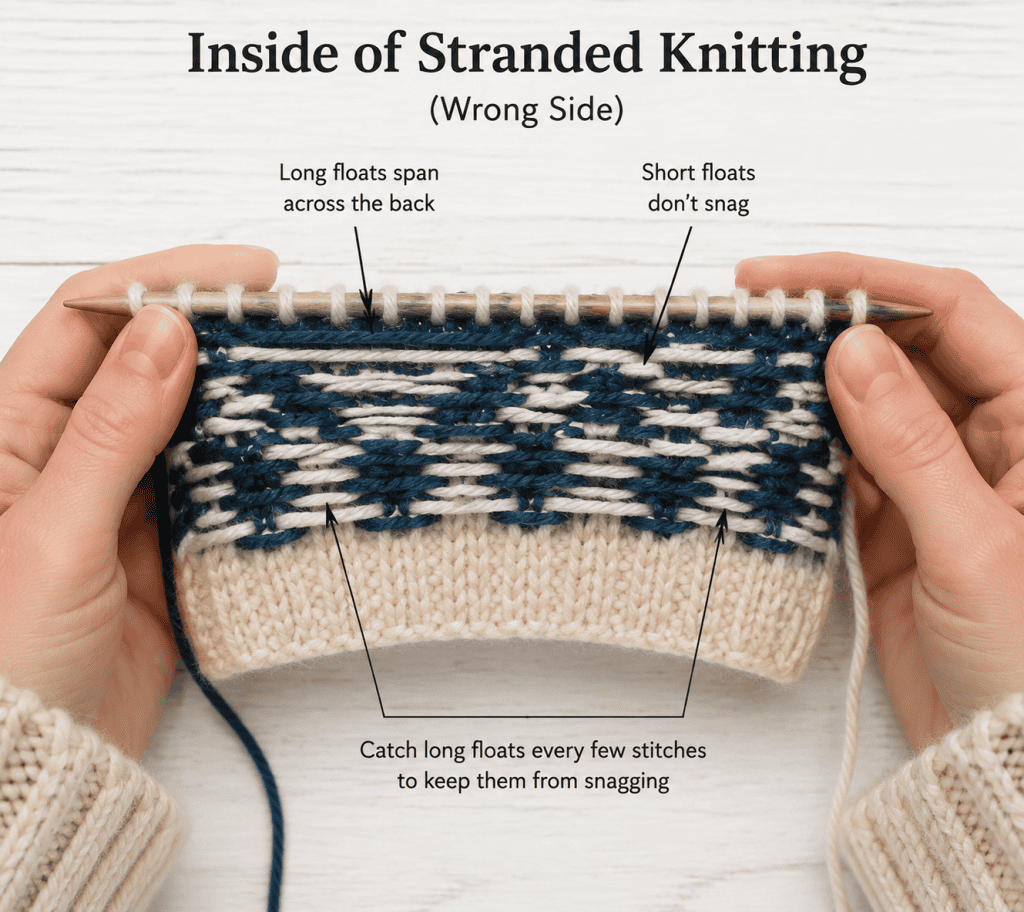
How to Catch Long Floats
If you have a section where one color travels across many stitches, the float can become too long and may catch on fingers when putting on the finished item.
To prevent this, you can catch your floats.
Catching a float means twisting the unused yarn around the working yarn every few stitches to secure it.
This is especially helpful for:
Mittens
Gloves
Children’s hats
Sweaters
A good rule is to catch floats that are longer than about 5–7 stitches.
Be careful not to catch every float in the same spot because it can create visible bumps on the front of your knitting.
Common Stranded Knitting Mistakes
Learning colorwork takes practice. Here are some common beginner mistakes and how to fix them.
Tight Floats
Problem: The fabric puckers or does not stretch.
Solution: Relax your tension and spread stitches before carrying the yarn.
Uneven Tension
Problem: One color looks tighter than the other.
Solution: Practice holding both yarns consistently and avoid pulling after color changes.
Twisted Yarn
Problem: Your yarns become tangled while knitting.
Solution: Let your project hang occasionally to allow the yarn to untwist.
Confusing the Chart
Problem: Losing your place in the pattern.
Solution: Use a sticky note or row marker to track where you are.
Best Projects for Learning Stranded Knitting
If you are new to stranded knitting, start with smaller projects that allow you to practice without feeling overwhelmed.
Great beginner colorwork projects include:
Womens Easy Snowflake Hat Knitting Pattern
Beginner Evergreen Hat Knitting Pattern
Colorwork Mountain Hat Knitting Pattern
Fair Isle Moose Hat Knitting Pattern
Kids Wave Colorwork Hat Knitting Pattern
Beginner Snowflake Hat Knitting Pattern
Kids Black Cat Hat Knitting Pattern
Kids Ghost Hat Knitting Pattern
Hats are one of the most popular stranded knitting projects because they allow you to practice charts while creating something useful.
Some fun ideas include:
Animal silhouette hats
Pumpkin hats
Fox-themed designs
Floral colorwork patterns
Winter-inspired motifs
Stranded knitting is a rewarding technique that opens up endless creative possibilities. While managing two colors may feel challenging at first, practice makes the process much easier. Once you learn how to control your floats and maintain even tension, you’ll be able to create beautiful colorwork projects with confidence.
Remember that your first stranded knitting project does not need to be perfect. Focus on keeping your floats relaxed, practicing your tension, and enjoying the process of creating something handmade.
Whether you’re knitting a cozy hat, a pair of mittens, or a colorful sweater, stranded knitting is a wonderful skill to add to your knitting toolbox. Grab two colors of yarn, choose a simple chart, and start creating your own beautiful colorwork designs.
✨ I’d love to see what you’re making! ✨
If you’ve tried one of my knitting patterns, crochet projects, DIYs, or recipes, share your finished project on Instagram and tag me so I can see it 💛
There’s nothing better than seeing your creations come to life—from cozy knits to delicious recipes and everything in between. It truly makes my day!
Tag me @ginamicheleny so I can share you.
Happy making!